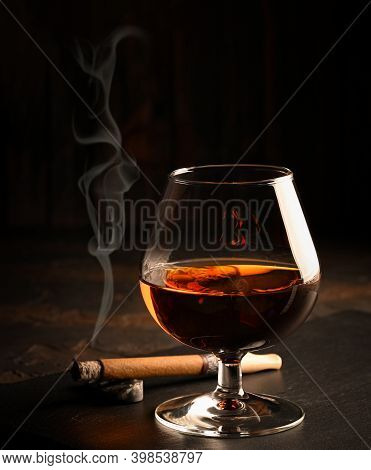
A Spirit with a Long Memory
There are drinks you sip, and there are drinks you inherit—flavours carried through centuries, weathered by wind, sea, sugar, and story. In the Dominican Republic, and in Punta Cana in particular, rum is not merely a spirit; it is the distilled memory of the Caribbean. Spend even a week here, as I did at Tortuga Bay, and you begin to sense how rum quietly underpins the rhythm of life, from the amber glow in a crystal glass to the warm sweetness rising from aging barrels tucked away in quiet bodegas.
Rum’s connection to the Caribbean is so deep that it often seems to have been born here. Yet the spirit’s earliest whispers lie farther back in time—in the ancient sugarcane-fermenting traditions of India and China. These early cane spirits were primitive and sharp, nothing like today’s refined rums. The Caribbean would eventually give rum its true identity, its soul.
When Sugar Became Story: Rum Arrives in the Caribbean
In the 15th century, European explorers brought sugarcane to the New World; Christopher Columbus himself is believed to have carried it to Hispaniola. By 1630, British settlers in Barbados were already fermenting molasses, and by 1651 the traveller Richard Ligon described an intoxicating drink known as “rumbullion,” a term meaning tumult. The British shortened it to rum, the French to rhum, and the Spanish—including Dominicans—to ron.
By then, the Caribbean had embraced rum completely, transforming it from a colonial by-product into an emblem of the islands—fiery, inventive, and resilient.
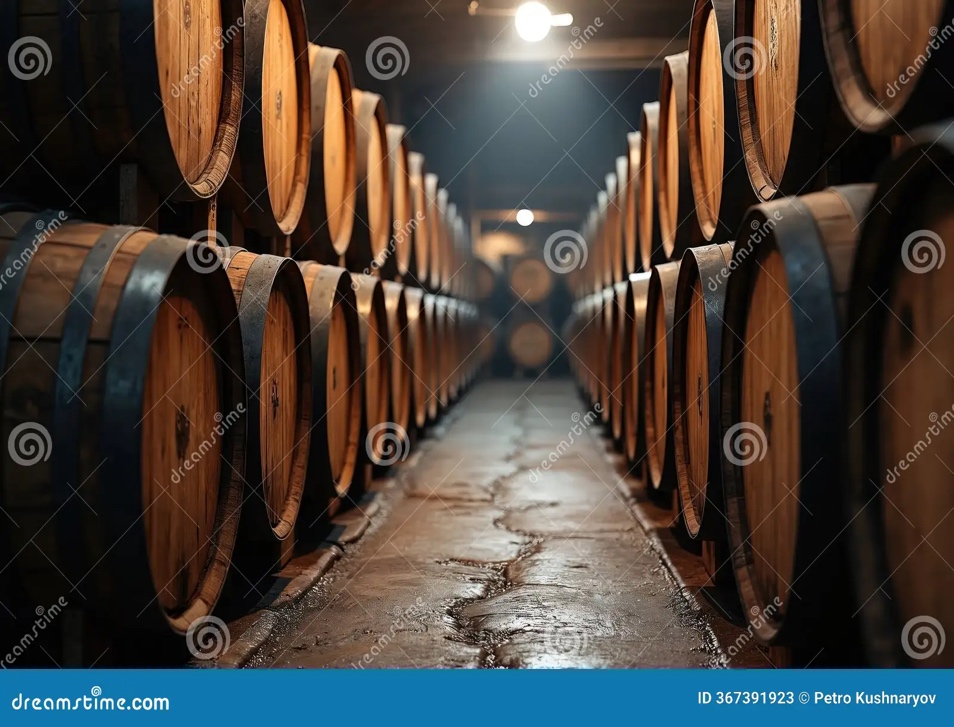
Rum in Making-the Oak Barrels
The Dominican Soul of Rum
In the Dominican Republic, rum is a cultural inheritance, a national emblem, and one of the country’s most globally recognized exports. Three great houses—Brugal, Barceló, and Bermúdez—represent the backbone of the Dominican rum tradition. Their histories are chapters in the story of how rum helped shape Caribbean identity.
The Art and Alchemy of Making Rum
The making of rum begins with molasses, that dark, viscous syrup left after sugar crystals are extracted from cane juice. Ferment, distil, and then rest it in wooden barrels—usually American white oak once used for bourbon—and a transformation begins. Over years, the rum absorbs aromas of vanilla, caramel, dried fruit, cocoa, and gently toasted wood.
What elevates Dominican rum is not machinery but mastery. Every distillery carries its own blending secrets, techniques handed down through families for generations. Rum here is a craft shaped as much by intuition as by science.
Legends in a Bottle: Brugal, Barceló, Bermúdez
Barceló was founded in 1929 by Majorcan-born Julián Barceló in Santo Domingo. What began as a family venture became one of the Dominican Republic’s most celebrated rum exports. The Barceló family also founded five philanthropic institutions, weaving social responsibility into the brand’s legacy.
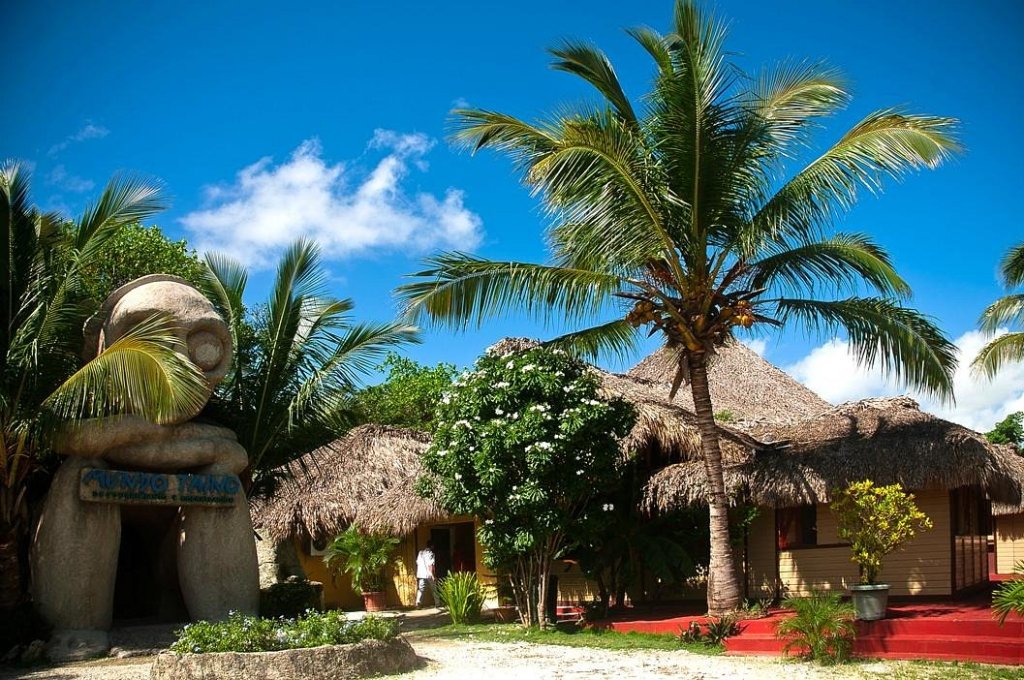
Pirate Rum Factory
Brugal, established in 1880 by Andrés Brugal Montaner after his move from Santiago de Cuba to Puerto Plata, remains a proud family-run enterprise. Brugal’s range—crisp whites, golden blends, deep-aged reserves—reflects five generations of refinement. The Brugal Foundation continues the family’s commitment to community welfare.
Bermúdez, often regarded as the oldest rum house in the Americas, traces its lineage symbolically to Don Diego Bermúdez, a companion of Columbus believed to have brought the first sugarcane to Hispaniola. Today, Bermúdez produces an impressive portfolio of spirits, but its rums remain unmistakably Dominican—smooth, soulful, and storied.
Rum as Culture, Companion, and Social Glue
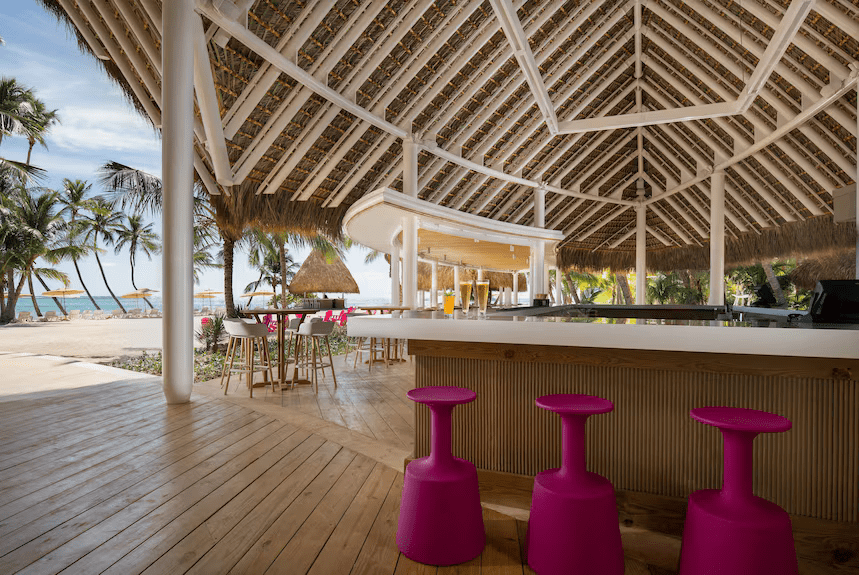
A Beach Bar
In Punta Cana, rum is woven into daily life. Fishermen gather over it after long days at sea; musicians sip it between melodies at beach bars; families reserve cherished bottles for weddings, baptisms, and holidays. Rum here is not about intoxication; it is about continuity. It binds stories, milestones, and generations—an amber thread running through Dominican life.
One evening at Tortuga Bay, a bartender placed before me a glass filled with a deep mahogany liquid. “Sip, don’t gulp,” he advised. “This one has a story.” It tasted like it—warm, layered, confident, with hints of vanilla and orange peel. Rum encourages lingering conversations, the sort that stretch into twilight and match the unhurried rhythm of Caribbean evenings.
A Tasting Tour of Punta Cana
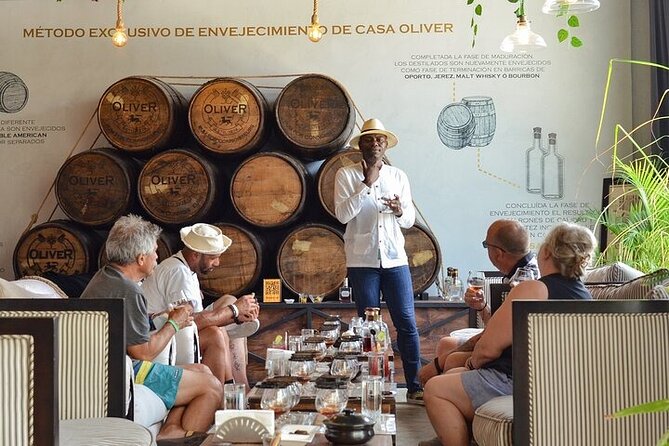
A Rum Tasting Session
Punta Cana has transformed rum appreciation into an experience. The Ron Barceló Historical Center offers immersive tours through aging cellars and historical archives, with samplings of rums at various stages of maturity. The Oliver Rum Experience, home to Opthimus and Presidente Martí, pairs rum with fine Dominican cigars, dark chocolate, artisanal cheeses, and tropical fruits.
Some tours lead visitors through sugarcane fields; others invite enthusiasts to create their own personal blend—a bottled memory of the island. Everywhere, the message is the same: rum is not just tasted; it is understood.
A Glass Full of Punta Cana
What strikes you most about rum in Punta Cana is how fully it reflects the character of the place. It has the friendliness of its people, the golden warmth of its sun, and the slow, unhurried grace of its sea. It is, in many ways, the distilled landscape of the Dominican Republic.
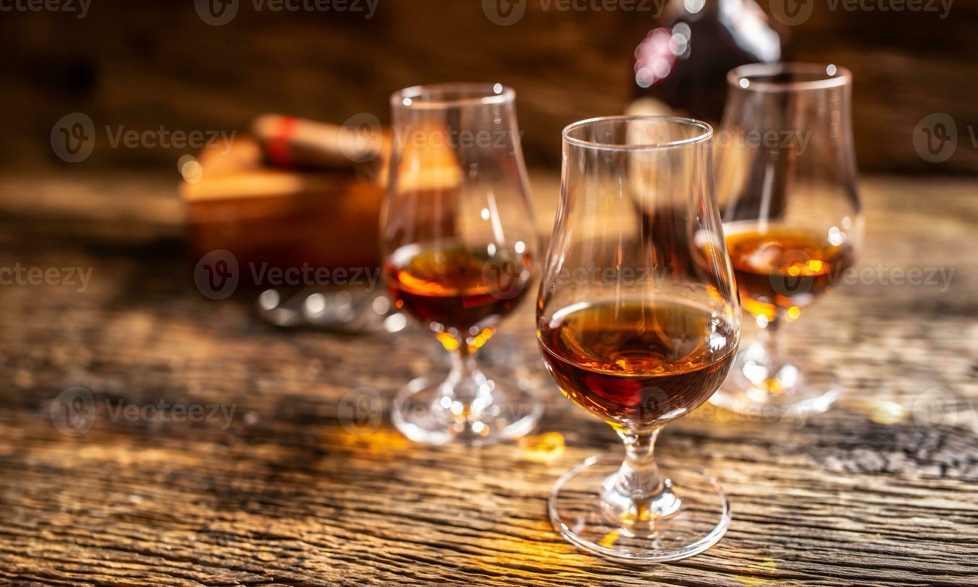
To understand Punta Cana is to understand its rum. And once you do, the island feels even more alive—warm, amber-hued, and quietly magnificent.

