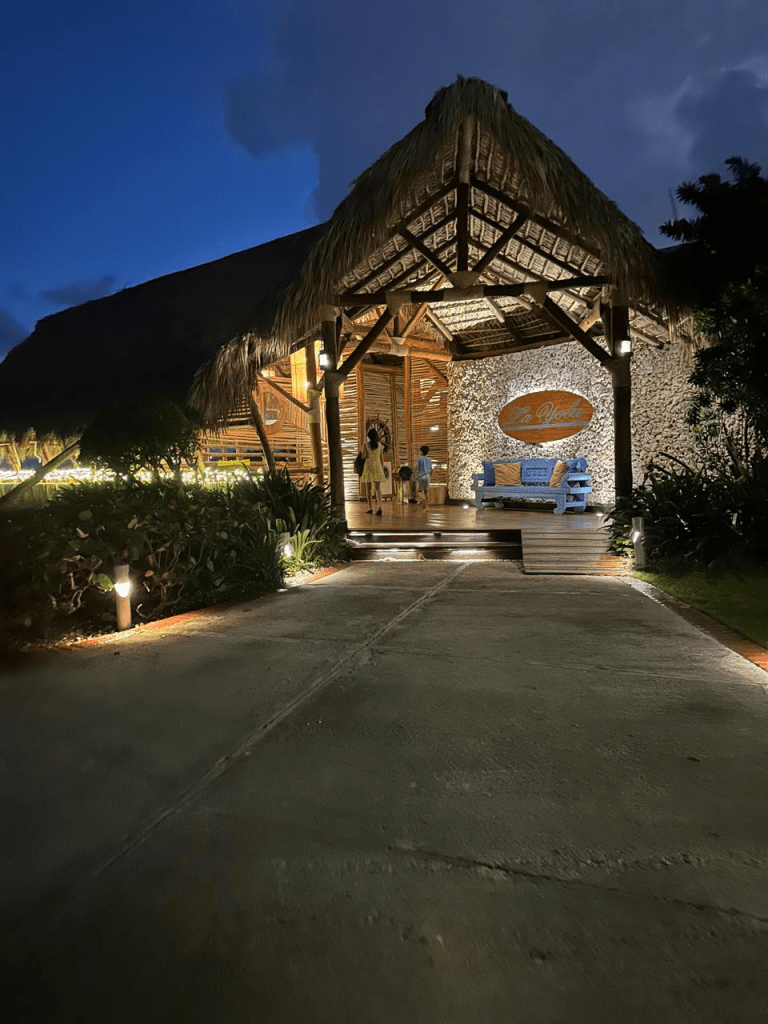
La Yola
There are restaurants that become destinations not only for their food, but for what they represent—history, setting, and a certain idea of a place. La Yola, set within the serene Punta Cana Resort in the Dominican Republic, is one such name: a restaurant that has floated for nearly three decades on the edge of turquoise water, half-boat, half-pavilion, and wholly woven into the narrative of Punta Cana’s rise as the Caribbean’s premier tourism hub.
A Place Built on a Vision
The story of Punta Cana is inseparable from the entrepreneurial vision of Grupo Puntacana, which transformed a remote coconut plantation into one of the most recognisable luxury destinations in the region. Their model—environmentally conscious development, community engagement, and world-class hospitality—redefined Dominican tourism from the 1970s onward, placing the country firmly on the global map.
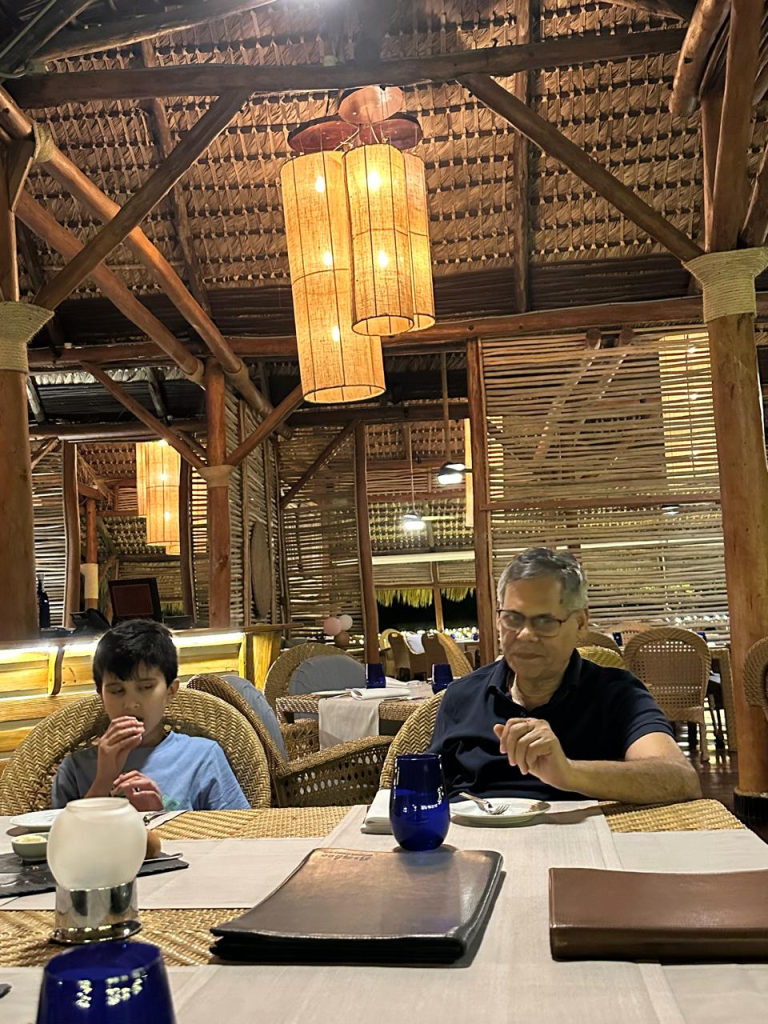
La Yola, opened in 1996 and designed by Dominican-born fashion icon Oscar de la Renta, is one of the group’s most distinctive creations. Its architecture evokes the silhouette of a traditional fishing boat (“yola”), with warm wood, soft evening lighting, and an easy openness to the surrounding marina. Dining here, one feels both sheltered and suspended—close enough to the water to sense its movement, yet comfortably removed from the wind and spray.

Dominican Seafood: A Quiet Heritage
The Dominican Republic’s culinary heritage is deeply coastal. Fish and seafood—snapper, grouper, prawns, conch, octopus—are central to everyday meals and festive tables alike. The flavours tend to be bright and direct: lime, garlic, cilantro, olive oil, coconut milk. In many ways, the cuisine mirrors the country’s broader character: African and Taíno roots, Spanish influences, Caribbean ingredients, and a spirit of warmth that runs through both the food and the people.
La Yola’s menu reflects this lineage, though with an international polish suited to its resort setting. Its promise of showcasing “the essence of Caribbean coastal dining through refined techniques” sets an inviting tone, and several dishes rise to that occasion with confidence.
A Dinner on the Marina
Our evening began with a Mediterranean Salad and Parmesan Eggplant Caribbean-Style—both fresh, balanced, and visually appealing. The eggplant, in particular, offered a gentle interplay of Caribbean warmth and Mediterranean familiarity.
The Local Prawn Spaghetti, twirled in a well-seasoned sauce, was satisfying and pleasantly aromatic. The Brown Butter Scallops carried a soft sweetness and a clean sear, offering a refined, delicate plate even if the brown-butter notes remained understated.
The highlight of the evening was the “Boca Chica”-style Red Snapper, a nod to one of the Dominican Republic’s beloved beachside towns. The snapper was cleanly cooked, flaky, and confidently seasoned—arguably the dish that came closest to capturing the soul of Dominican coastal cooking.
Dessert arrived with a cheerful Pie de Limón, bright, refreshing, and an effortlessly satisfying close to the meal.
Nothing on the table disappointed; the dinner offered a spectrum of flavours that, while not extravagant, were consistently enjoyable, thoughtfully presented, and complemented beautifully by the tranquil marina setting.
More Than a Meal, Less Than a Monument
What La Yola offers, ultimately, is an experience—a harmonious blend of setting, history, and cuisine. Its charm lies in its atmosphere: the gentle clinking of masts in the marina, the soft tropical air, and the sense of dining in a space touched by the sensibility of Oscar de la Renta, with his unmistakable blend of island ease and cosmopolitan elegance.
The Dominican Republic has become one of the Caribbean’s strongest tourism magnets, drawing millions with its beaches, culture, and accessibility. Restaurants like La Yola contribute to this narrative—not as avant-garde culinary temples, but as well-loved establishments that offer visitors an accessible, polished introduction to the region’s rhythms and flavours.
A Final Word
My evening at La Yola was defined less by spectacle and more by quiet pleasure. The dishes ranged from good to gently flavourful, the service warm and unhurried, and the ambience lovely in its evening serenity. It is the kind of restaurant one chooses for the comfort of being by the water, for a leisurely night in Punta Cana’s soft air, and for a graceful glimpse into the hospitality ethos that has shaped this corner of the Caribbean.
As I left the place, I realised the experience had given me something subtle but lasting: a textured understanding of how the Dominican Republic tells its stories—through its landscapes, its people, and yes, through its seafood.
 scribo ad LX