Azaleas, Camellias, and Magnolias
Charleston’s legacy remains incomplete without acknowledging its historic plantations. Nestled within the verdant expanses of South Carolina, these estates provide a hauntingly beautiful window into America’s pre-Civil War era. Swathed in azaleas, camellias, and magnolias, these plantations stand as monuments to both the grandeur and the strife of a bygone age.
The Charm and Complexity of Charleston’s Plantations
In the 1670’s, English planters began to migrate from Barbados to the area now known as Charleston, South Carolina. They founded the city, then called Charles Town, and set up large plantations around the outskirts.
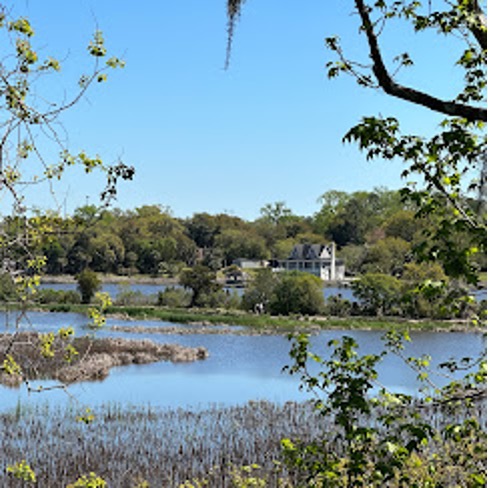
In the antebellum period, it is estimated that there were over 2,000 plantations in South Carolina, most within the Lowcountry area. Over 300 of these plantations were in Charleston County. Many of the plantations near Charleston were set up either along the banks of the Ashley River or on the sea islands, such as Wadmalaw Island, Edisto Island, and Johns Island.
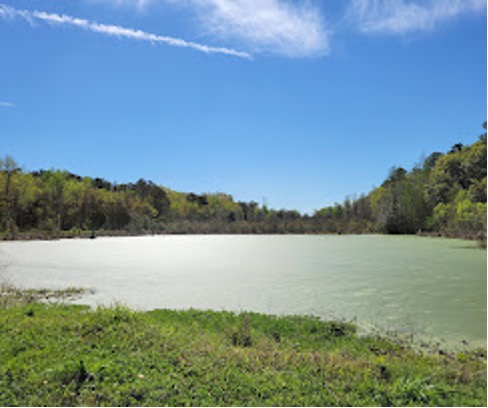
Early plantations mainly grew indigo and rice which grew well in the coastal marshy conditions. The area became particularly known for its rice, and the use of tidal irrigation changed the landscapes of this area and made this a much more profitable endeavour. South Carolina was the leading rice producer in the country for about 200 years. And one of the varieties of rice, namely ‘Carolina Gold’ was highly regarded, and mush sought after.
In the 1800’s cotton also became a popular crop in South Carolina after the introduction of the modern cotton gin made it easier and more profitable to cultivate. Sea Island cotton grown in the Charleston area became one of the most expensive and coveted cottons in the world in the 19th and early 20th centuries.
Enslaved blacks were forced to work in the plantation fields, houses, and in any manner their masters pleased. Fuelled by their cheap and limitless labour, these plantations became hugely successful and profitable, making Charleston the most wealthy and affluent town of the south.
Preservation and Transformation
Many of the plantations near Charleston were either destroyed during the Civil War or ceased operations soon after. Today, those that remain have been transformed into museums and tourist destinations, meticulously preserved to offer a multifaceted experience. From the enchanting gardens of Magnolia Plantation to the historical insights at Boone Hall, each site offers a unique perspective on Southern heritage.
An Enchanting World
Each of the Charleston plantations offer different experiences. A walk in a beautiful garden, a glimpse of history, lessons on the abominable slavery, the spirit of Gullah culture, all and much more can be enjoyed and imbibed at one or more of these estates. Whether it is Magnolia Plantation or the Boone Hall, whether Middleton Place or Drayton Hall, each of these plantations have a unique charm.
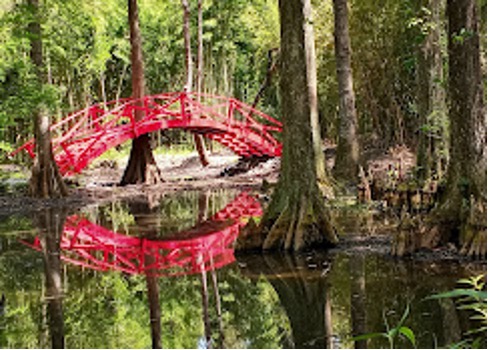
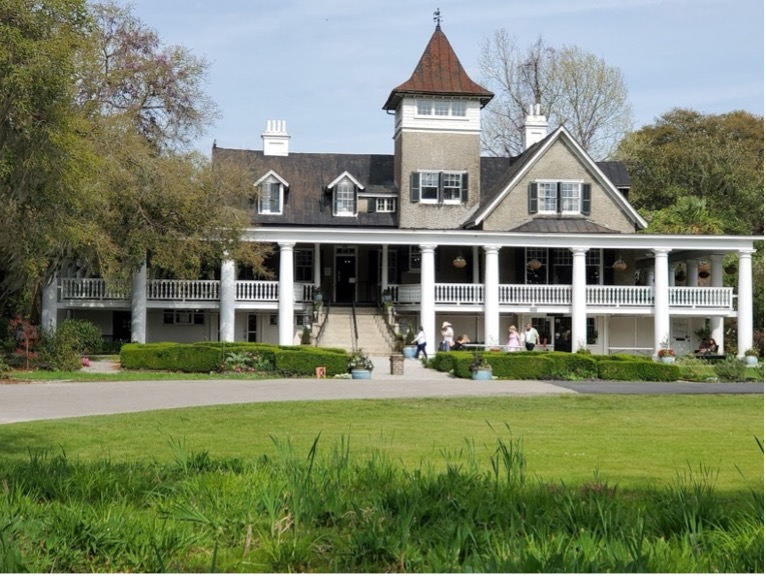
One of the most beloved jewels in Charleston’s crown is the Magnolia Plantation and Gardens. Founded in 1676, this sprawling estate showcases one of the oldest public gardens in America, famed for its romantic and somewhat untamed landscape—a stark contrast to the orderly gardens of its time. Visitors to Magnolia can explore a rich tapestry of history and nature through various tours that highlight both the architectural splendour of the plantation house and the natural beauty that surrounds it.
Boone Hall Plantation strikes visitors with its iconic avenue of oaks, a dramatic corridor of intertwined trees planted in 1743 that leads to a stately colonial revival mansion. Still a working farm, Boone Hall links its agricultural heritage with educational exhibits that celebrate Gullah culture, providing insights into the lives of the enslaved Africans who contributed so deeply to the cultural fabric of the South.
At Middleton Place, home to America’s oldest landscaped gardens, visitors can stroll through meticulously arranged terraces that overlook grand vistas, reflecting the grandeur and strategic opulence of its 18th-century owners. At its peak it employed more than 3000 slaves. The site includes a house museum, crafted from the partial ruins of the family’s original home, offering a profound connection to the generations of the Middleton family who played prominent roles in American history.
Drayton Hall stands as a monument to historical preservation, offering visitors a glimpse into colonial life with its preserved architectural features and unmodified structure—remarkably intact without the introduction of modern utilities like electricity or heating. This plantation provides a stark, unfiltered look at the architectural and human history within its walls.
Azaleas and Camellias
While a variety of blooms adorn the landscaped gardens and pathways of these plantations including Wisteria, Jasmine, and Crepe Myrtle, Azaleas and camellias occupy the pride of place. A luxuriant shrub, Azaleas steal the spotlight in Spring months. They drape yards, gardens, and parks in swaths of hot pink, red, and white. In plantations they find their most vibrant expression and the most bewitching regard.
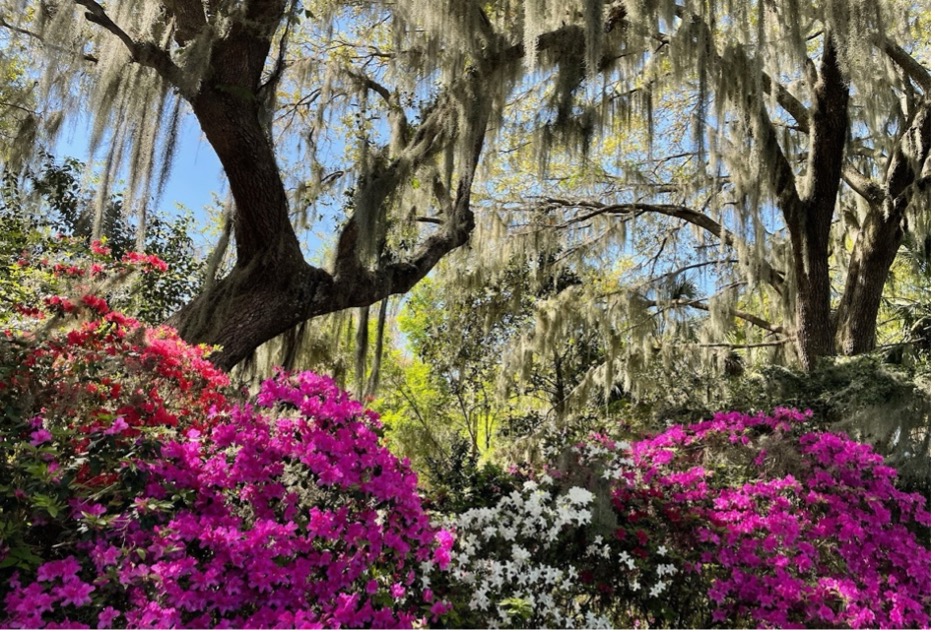
Camellias are, in contrast, evergreen but as captivating. Some 250 species of Camellia exist, but the best known here is Camellia japonica. The Middleton plantation boasts of some specimens older than 200 years, including the revered “”Reine des Fleurs” or “Queen of Flowers”, one of the four plants gifted to the Middleton family by French Botanist Andre’ Michaux in 1786.
Majestic Oaks and Magnificent Magnolias
Both Oaks and Magnolias contribute to the unique charm of these plantations and are integral parts of cultural and natural heritage. Southern Magnolia (Magnolia grandiflora), the state tree of both Mississippi and Louisiana, shares as intimately the history and cultural ties of Charleston. A symbol of hospitality and grace, often adorning the entrances of grand homes and estates, the large, glossy leaves and fragrant, white flowers of the Southern Magnolia make it a beloved ornamental tree in Charleston’s gardens.
Live Oak (Quercus virginiana) are iconic in Charleston, with many historic sites and plantations featuring ancient Live Oak trees draped in Spanish moss. It has played a significant role in Charleston’s maritime history, as their strong, durable wood was used to build ships and fortifications. Known for their resilience, they often weather hurricanes and storms due to their sturdy branches and deep root systems. Finding sprawling, shady and opulent Oaks dating back over 200 years is a common site in these plantations.

Fauna and Ecological Diversity
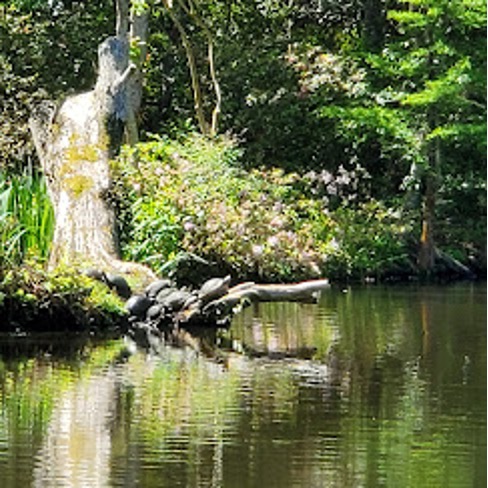
A sight that is common yet exciting to every visitor to these plantations, frames alligators basking on the wooden platform erected in the middle of the river and narrower water courses. The plantations of Charleston, predominantly situated on marshy, waterlogged terrain teem with a diverse array of aquatic life, mainly species adapted to its marshy conditions. Along with the American Alligator various turtles including the Eastern Box Turtle and the Diamondback Terrapin abound. These species contribute significantly to the local biodiversity, highlighting the importance of conservation efforts.
Legacy of Slavery
The preservation of slave quarters at some plantations provides a poignant and sobering reminder of the harsh realities of life for the enslaved individuals who maintained these estates. Described as “sites of conscience,” these preserved structures encourage visitors to reflect on the painful history and enduring impacts of slavery, ensuring that the experiences of those who lived in bondage are not forgotten but remembered and honoured.
Economics of Culture
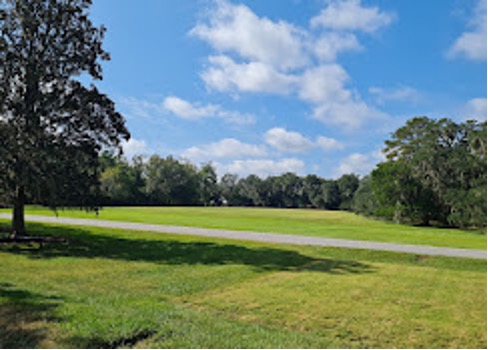
Modern Charleston has transformed its historical plantations into vital components of both its economy and its cultural education, attracting hundreds of thousands of visitors each year. These plantations support local jobs, stimulate business for nearby vendors, and serve as stunning venues for weddings and events, contributing significantly to the local economy.
By maintaining the beauty and integrity of these historic sites while also confronting the complexities of their pasts, Charleston’s plantations offer a powerful narrative of beauty, tragedy, and resilience—echoing the history of the South itself in the serene landscapes of the present.
 scribo ad LX