Jewel in the Satpuras: The Hidden Village
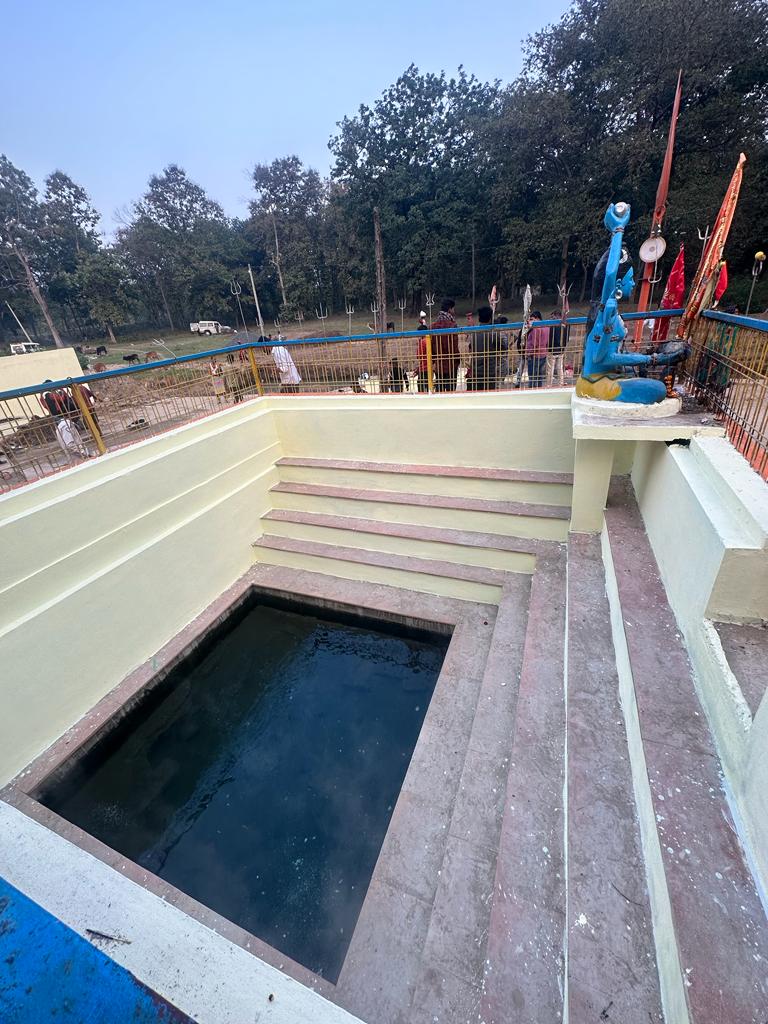
Anhonee is a small village hidden in the heart of Satpuras, nestled deep in the forests of Chhindwara. The nearest place of renown is the famed Pachmarhi, a hill station coveted for a rare solitude and solace. Perhaps fortunately, it is still to find a place on the radar of enterprising and clever tourism tycoons. Yet, since a few years the modest Tourism Corporation of Madhya Pradesh state has taken control of the place and the signs of modern development have irretrievably begun to seize it. It will only be a matter of time that the pristine and tranquil ambience of this place will be replaced by the neat and opulent structures, classy resorts and a publicity that will put a hefty tag to the uniqueness of this place.
Nature’s Gift
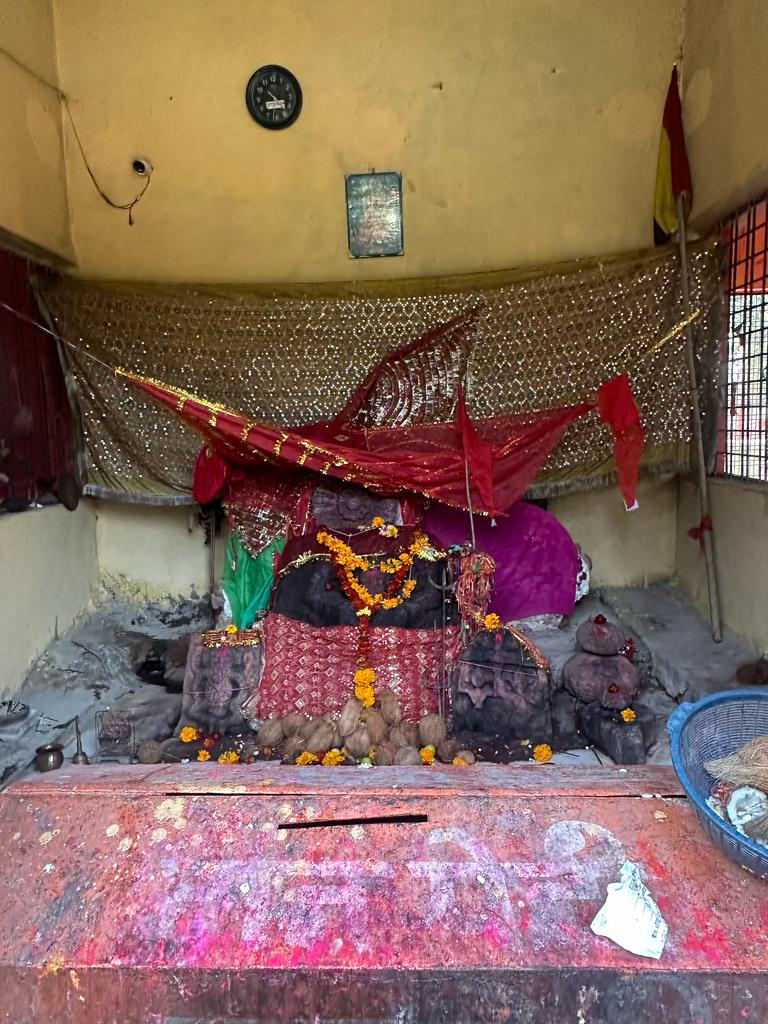
So, what is unique about this place? For centuries, a stream of hot sulphur water continuously spouting from the bosom of the earth has been flowing in narrow, lazy streams, snaking through the thick foliage. All around this stream are dense forests dotted by a few tiny, thatched homes of the local tribals who have been using the stream for a variety of purposes. A small stone piece of black rock found near the stream has since centuries been the local deity, the AnhoneeMata, whose grace the local tribal acknowledge and revere, as a token of gratitude for giving them this unique and wonderful gift.
The name Anhonee is somewhat unusual for a village in this part of the world. Normally suffixed by kheda, khapa or gaon, that all nearby villages normally identify themselves with, a name like this, itself rings attraction and curiosity. The origin of such a name is shrouded in mystery. The locals for some reason are clearly ignorant about the uniqueness of the name. It is likely that an enterprising and imaginative local official may have thought of this name while describing it to his superiors and name seems to have found currency as it also defines the uniqueness of the place. For the present, the name eminently suits this extraordinary place and the gift of nature that it displays and offers ceaselessly.
Echoes of the Past
The discovery of the hot water stream’s origins remains veiled in the mists of time. When and how this hot water stream was discovered and subsequently how it was appropriated by outsiders is still unclear. Likely, some hundred years ago, it caught the attention of visitors who chanced to come to that area. The local administration, perhaps, may have intervened with good intent. An enthusiastic Collector of the district may, likely, realised the significance of the place and may perhaps with good intent, initiated rudimentary measures to conserve this natural phenomenon. Over the years the local Panchayat was advised and assisted to modify the natural formation of the rock and mud to give them a more respectable shape. And slowly, the place that once was a peaceful and quiet source of health and entertainment for the tribals of the nearby area, and a symbol of the local faith was set on the path of modern development with all the trappings of the concept so clearly associated with commerce, business, and profits.
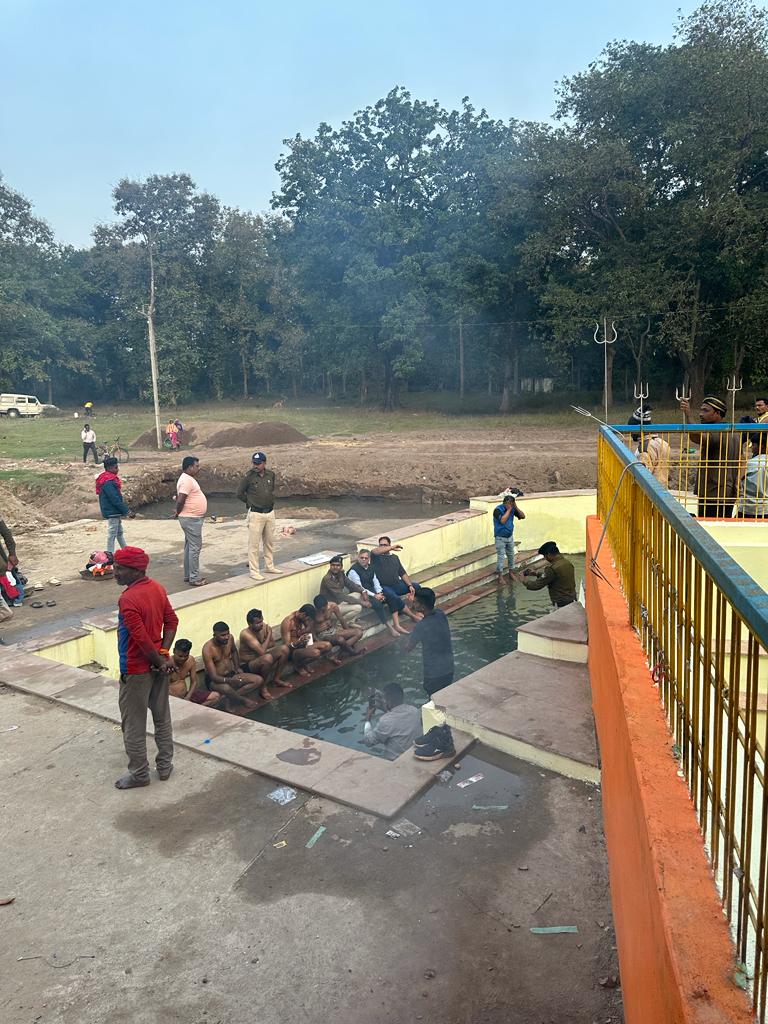
But as of now what stands there are a cluster of three pools of rather uncomfortably hot water, the source pool that is enclosed and barred from use; and the two adjoining pools one each for men and women to indulge in a rare luxury of enjoying a bath that the rich and affluent across the globe congregate in Istanbul hammams to enjoy. I wonder if any scientific analysis of the water has been carried out but the empirical evidence of the medicinal and healing properties of these streams have been established beyond any doubt or prevarication.
Temple of Anhonee: A Soaring Presence
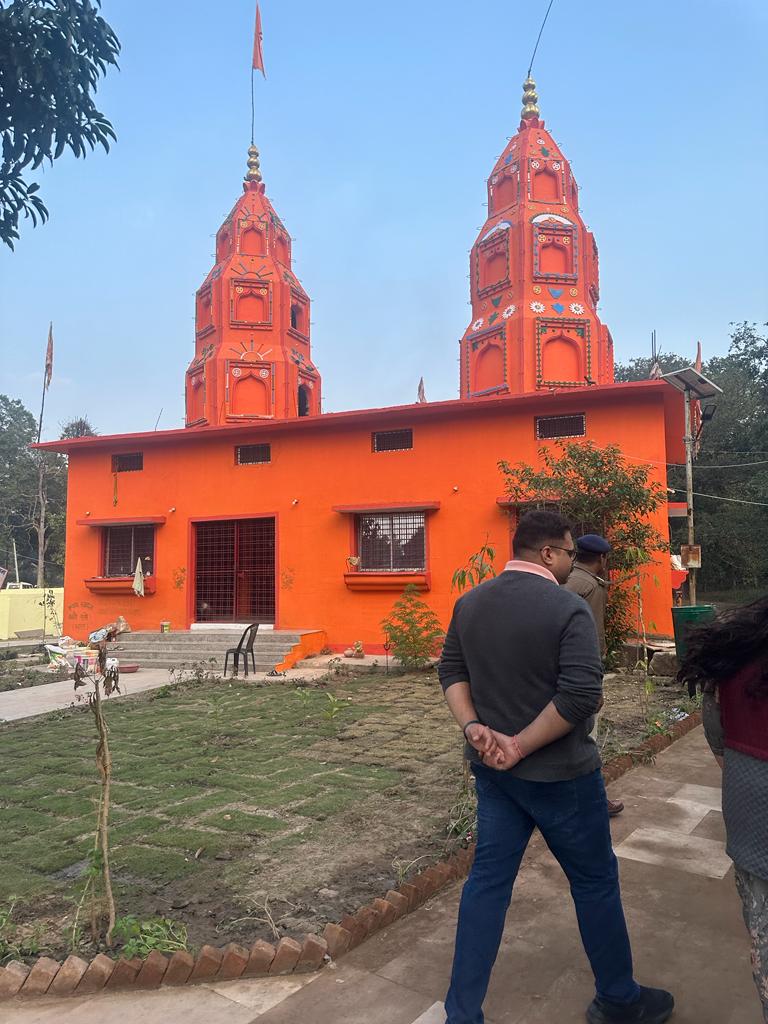
The most imposing structure, of course, is the tall temple of Goddess Anhonee, the local deity. Dominating the landscape this towering temple with its deep ochre it beckons men, women, and children for an obeisance after the electrifying bath. A small smattering of small shops has sprung up in the vicinity selling coconuts and flowers and incense sticks for offering them to the deity, and a couple of them selling tea, pakoras, biscuits and the ubiquitous chips. Quite surprisingly, one of the shops also served us a hot sugary and milky cup of coffee which tasted delicious beyond all expectations.
The district gazetteer of Chhindwara, once part of British administered province of C.P and Berar lists Anhonee as a place of interest. Clearly, it is a gross understatement. Anhonee transcends mere curiosity. It epitomizes nature’s enchanting grandeur in its most serene and opulent form. It is nature’s ensorcelling splendour at its sumptuous best.
A Plea for Enduring a Timeless Allure
Perhaps a decade or two later, the place would become a much sought after health resort for the rich and resourceful with the place offering every comfort, their USP being a bath in a Jacuzzi filled with the medicinal waters of the hot pools. The stream of local visitors from the nearby villages will feel a little diffident to come to the place because it would have by then monopolised and controlled by the dictates of commerce. The nexus of the politicians and officials cemented and controlled by the cunning investors would have taken the place in their firm, determined hold ensuring a perpetuation of commercial interest.
The tribal men and women and their off springs by then would be reduced to the status of awe-struck onlookers and reluctant visitors to a place whose natural bounty was once their property and domain, their soul-nourishing playfield, a realm, a kingdom of which they were once the soul monarchs. Alas!
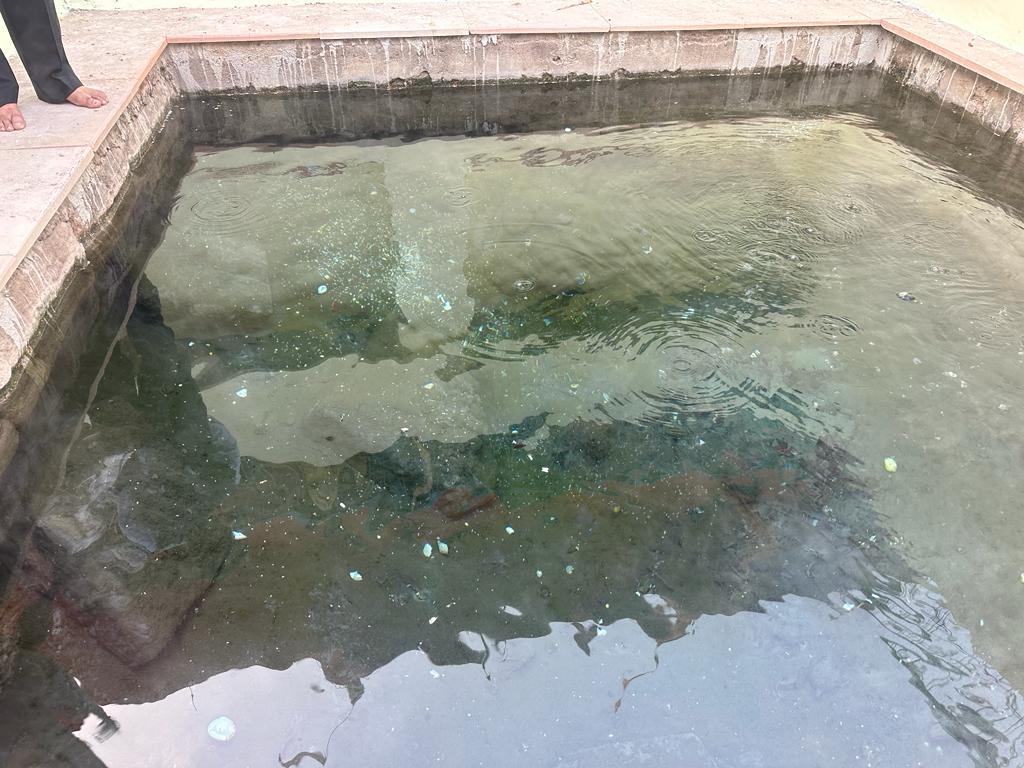
Would anyone in a position to shape the destiny of this place care to conceive of a development path that could ensure the serenity and sentience of this exceptional bounty of mother nature while making the local tribals owners of the place and recipients of the gains of its growth and not merely employees of the rich and powerful resort owners? A mute plea echoes in the air for a future where Anhonee remains a testament to harmonious coexistence between nature, culture, and commerce, ensuring its timeless allure for generations to come.
- “Anhonee” village is located near old Mahuljhir police station at about 3 km from Jhiria village falling on Chhindwara-Pipariya Road.
 scribo ad LX