The Anatolian Shepherd Dog

Not many dog breeds will go down in the history as the protector of a fast-vanishing animal species. The role of Anatolian Shepherds may not be the sole reason to stem the extinction of Cheetah in Namibia, but it sure was a significant contributor in this endeavour that not only succeeded but also raised hope for a continued preservation of this splendid looking predator.
Anatolians have been aiding in the cheetah conservation effort in Namibia since 1994. One of the reasons the cheetah population declined so significantly was that ranchers were killing cheetahs to protect their livestock. So, Namibia’s Cheetah Conservation Fund started a program to encourage ranchers to use Anatolian Shepherd Dogs to protect their flocks, reducing the need to kill cheetahs. The Anatolians have reduced livestock losses by 80 to 100 percent on farms with guard dogs, and the strategy has been extremely beneficial to the cheetah conservation effort.
Anatolians, then, are the best shepherd dogs the humanity has known.
Origin and History
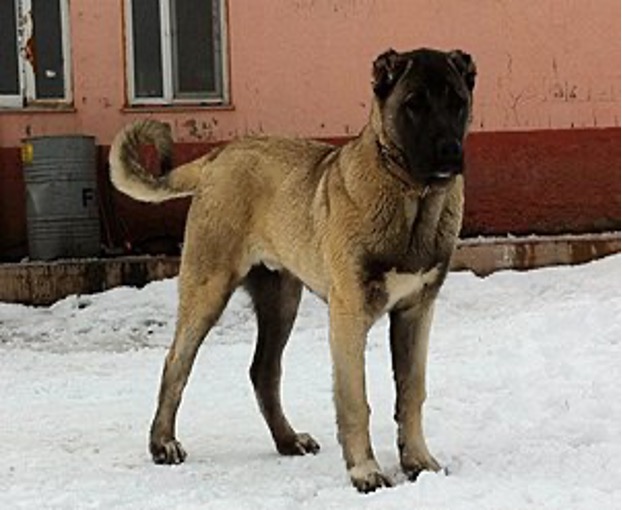
Native of Turkey, part of which was known as Anatolia in earlier times, the Anatolian Shepherd dog has never been known by that name in its native Turkey. There they are the Kangal, Karabash (black face) and Akbash (white face), depending on colour and which area of Turkey they are from. Each area of Turkey has its own favourite and the arguments regarding which is best can get heated, and often bloody.
This breed’s roots can be traced back to ancient times, with artifacts from 2000 B.C. depicting large, powerful dogs resembling the Anatolian Shepherd. The biblical Book of Job, set in Turkey around 1800 B.C., also mentions such dogs guarding flocks. These early references highlight the breed’s longstanding role as a protector of livestock.
Historically, the breed was not exported from Turkey until the 20th century. The Turks highly valued these dogs for their guardian capabilities and were reluctant to share them with the world. It wasn’t until the 1950s that Anatolian Shepherds began to appear in the United States, initially as part of a Department of Agriculture project. Despite a rocky start, these dogs have since gained recognition for their abilities, particularly in livestock protection.
Even today The Anatolian Shepherd Dog is considered a relatively rare breed, particularly outside its native Turkey. While exact numbers are difficult to ascertain due to varying record-keeping practices in different countries, the breed’s global population is significantly smaller compared to more common large breeds such as the Labrador Retriever, German Shepherd, or Golden Retriever.
Anatolian Shepherds are highly specialized for livestock guarding, a niche role that limits their widespread appeal. In contrast, breeds like the German Shepherd and Labrador Retriever have diversified roles, including search and rescue, police work, and service animals, contributing to their larger populations. They also require specific settings, such as large rural properties, which further limits their popularity.
Physical Attributes and Personality
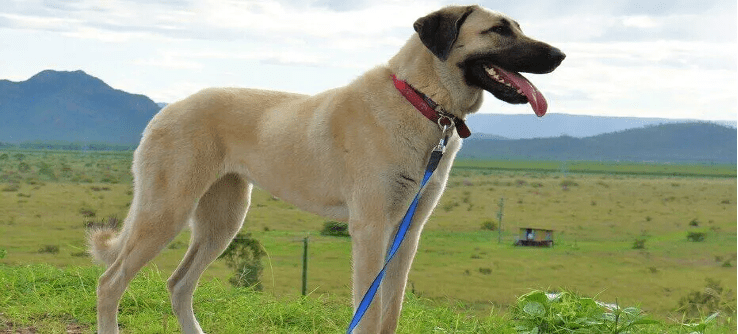
The Anatolian Shepherd Dog is a large, robust breed, standing between 27 and 29 inches at the shoulder and weighing up to 150 pounds. Their physique is both muscular and agile, making them well-suited to the harsh terrain of their homeland. They possess a short, dense coat designed to protect against extreme weather, available in various colours, often with a distinctive black mask.
Personality-wise, Anatolian Shepherds are fiercely independent and self-reliant. Bred to guard flocks with minimal human intervention, they are capable of making decisions on their own. This independence can translate to a strong-willed and sometimes stubborn demeanour. They are loyal and affectionate with their families but remain suspicious of strangers, always alert to potential threats.
Training and Upkeep
Training an Anatolian Shepherd requires patience, consistency, and a firm but gentle approach. Early socialization is crucial to ensure they are well-adjusted to various environments, people, and other animals. Positive reinforcement methods work best, as harsh training techniques can backfire with this breed.
Given their size and protective instincts, Anatolian Shepherds need ample space to roam and exercise. They thrive in rural settings with large, secure properties. Regular grooming is essential, particularly during shedding seasons, to maintain their coat’s health. Additionally, due to their propensity for bloating and stomach issues, a diet of smaller, more frequent meals is recommended.
A Challenging Pet
As pets, Anatolian Shepherds are best suited to experienced dog owners who understand the breed’s unique needs. They can be excellent companions for those living in remote or rural areas, providing unmatched security and loyalty. However, their independent nature and guarding instincts can pose challenges in urban or suburban environments.
Anatolian Shepherds are not ideal for families with young children or frequent visitors, as their protective nature can make them wary of unfamiliar people. They require significant time and effort in training and socialization, and their size demands a large living space. Potential owners should be prepared for the commitment involved in caring for such a powerful and independent breed.
In Folklore and Literature
The Anatolian Shepherd Dog holds a special place in Turkish culture and folklore. Known locally as Kangal, Karabash (black face), or Akbash (white face), these dogs are celebrated for their bravery and loyalty. Stories often depict them as guardians of flocks and protectors of families, embodying the spirit of resilience and strength.
In literature, these dogs are sometimes referenced in connection with their historical roles, highlighting their significance in the agricultural societies of ancient Anatolia. Their portrayal in various media underscores their enduring reputation as noble and formidable guardians.
And in films while they may not be as popular, their screen presence is electrifying. Their skills in histrionics find ample evidence in films like “Cats and Dogs,” “Kate and Leopold,” and “Friends With Benefits,” that showcase both their versatility and appeal.
A Unique Breed
This is one dog breed whose owners can engage in bloodletting if anyone questions the superiority of their breed. Their owners in different parts of Turkey often get into broils over the relative merits of their breed of Anatolians, broils that go beyond mere altercation and may quickly get reduced to bloody fisticuffs, and at times fatal combat.
And this is one breed that can survive on its own often hunting small animals like gophers when necessary.
Reflecting in so many ways the rugged terrain where it originates, this breed has a rich history and a unique set of attributes that make it both an excellent guardian and a challenging pet, a breed of remarkable history, strength, and character. An ancient and noble breed, it has earned both gratitude and affection for its strength, independence, and protective instincts.
Understanding their background and requirements is key to appreciating the true essence of this ancient guardian breed. Whether safeguarding flocks or starring in films, the Anatolian Shepherd continues to captivate and inspire, a true testament to its enduring legacy.
However, it remains a rare breed globally, cherished for its unique qualities but less commonly found as a household pet. Its population is modest compared to more popular large breeds, largely due to its specialized role and the specific living conditions it requires. For those who can provide the right environment, the Anatolian Shepherd offers unmatched loyalty and protection, but its rarity ensures it remains a unique and esteemed breed among dog enthusiasts.
 scribo ad LX