Royalties and Aristocracies around the world are known to have owned, obsessed over, and flaunted their unusual but remarkably fetching pets. A queen from India, Razia Sultan, who ruled Delhi in 13th century used to sit in her court with an intimidating Cheetah by her side, who was also her constant companion during her walks in her palace. But by far, dogs of unusual sizes and uncommon breeds were the preferred pets for royal display. Marie Antoinette, some say, even went to gallows holding her favourite Bisson frisée in her lap.
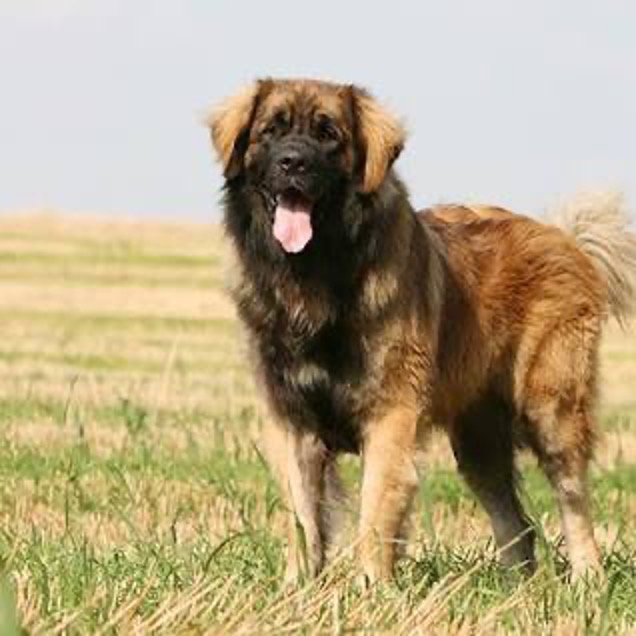
But there is one dog breed that received extreme favour by the European Aristocracy. They were specially bred to become their companions. Attending court of the likes of Napoleon III, Tsar Alexander II, and King Edward VII, they garnered attention not just because of their enormous size, but more significantly because of their immaculate and flawless court manners, their sophisticated coat colours, a commanding presence, and a gait that attempted to emulate their distinguished masters.
A Unique Breed
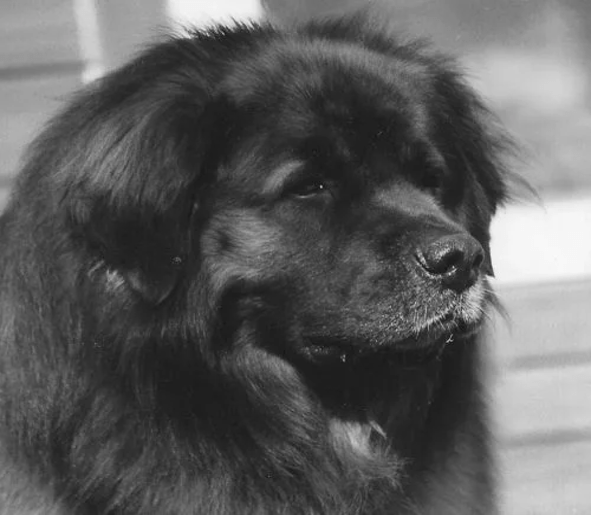
Unique among the big guys of the canine world, Leonbergers were developed first and foremost as companions. The breed was the brainchild of Heinrich Essig, a 19th-century politician, entrepreneur and Mayor of Leonberg, Germany. Massive and spectacular, their name derives from the same city of Leonberg in Baden-Württemberg, Germany.
But they came about unintended. Actually, the monks of St Bernard were trying to improve the St Bernard breed. They were the first to cross their own dogs with Newfoundlands but didn’t like the result but thankfully the Mayor of Leonberg did!
It is an imposing yet gentle breed, known for its majestic appearance, affectionate nature, and impressive versatility. Initially confined to a special region in Germany, the Leonberger has captured the hearts of dog enthusiasts around the world. With its lion-like mane, robust build, and kind expression, the Leonberger stands out not only for its physical attributes but also for its role in various cultural depictions and contributions to canine activities.
Origins and History
In the mid-19th century when Heinrich Essig was attempting to develop a more impressive but companionable breed, he aimed to create a dog that embodied the grandeur of a lion and the nobility if St. Bernard, he began by crossbreeding Saint Bernards, Newfoundlands, and Great Pyrenees in different combinations. The result that delighted him was one that was a large, strong, and noble-looking dog that quickly caught the attention of rich and powerful and gained immediate popularity among European nobility and royalty. Empress Elisabeth of Austria, Napoleon III, and the Prince of Wales were among the first notable figures who patronised and promoted Leonbergers.
Large and Lion Like
Leonbergers are large and powerful dogs, with males typically weighing between 110 to 170 pounds and females weighing between 90 to 140 pounds. They stand 26 to 31.5 inches tall at the shoulder. Their double coat is water-resistant and comes in various shades of lion-yellow, red, and reddish-brown, often with a black mask. The breed’s distinctive mane around the neck and chest enhances its lion-like appearance.
Temperament and Personality
Despite their formidable size, Leonbergers are known for their gentle and friendly temperament. They are often described as loyal, affectionate, and intelligent, making them excellent family pets. Leonbergers are good with children and other animals, exhibiting a calm and patient demeanour. Their intelligence and eagerness to please make them highly trainable, although their size requires consistent training and socialization from an early age.
A Rare Breed
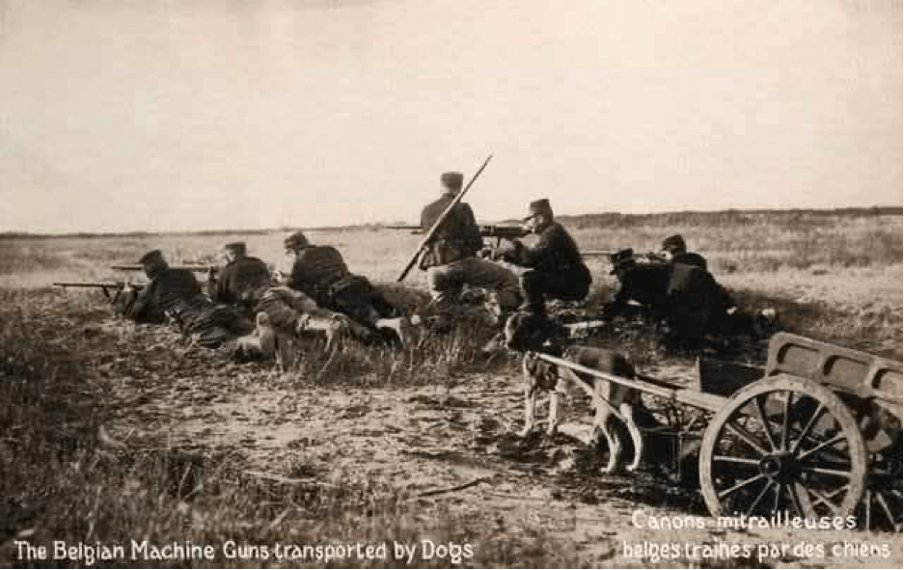
Pulling Gun carriage
Leonberger is a rare breed. And at one point in history was close to extinction. The years of World War 1 were particularly perilous for them. Many of them were used to pull ammunition carts and small cannons during the conflict, while the others were left to wander unattended and starved to death. And the World War II was even more devastating. Supposedly there were only eight Leonbergers left in the world after the end of the war, and all Leonbergers today are descendants of those eight surviving Leonbergers. However, their fortune took a turn when after the War, two Leonberg businessmen, Karl Stadelmann and Otto Josenhans, worked hard to successfully save the breed.
Even today they are rare. Of the 900 million strong population of dogs in the world, only around 30,000 are Leonbergers, a mere 0.003%.
In Cultural, Films and Literature
Leonbergers got noticed on account of their many notable appearances in popular culture, demonstrating their versatility and appeal. One such instance is a role in the Lifetime TV movie “Grumpy Cat’s Worst Christmas Ever,“. Co-starring with the famous Grumpy Cat where a Leonberger becomes a victim of dognapping. This whimsical pairing highlighted the breed’s ability to captivate audiences with its charm and presence.
In literature, the Leonberger puppy Murphy in Gill Lewis’ “Puppy Academy” series showcases the breed’s special skill in swimming. Murphy’s character is a testament to the Leonberger’s versatility and working capabilities, traits that have been honed through its history as a working dog, often employed in water rescue missions.
The Leonberger’s cultural significance extends to music videos as well. In the graphic music video “Deutschland” by the German rock band Rammstein, the symbolic figure of Germania is portrayed giving birth to Leonberger puppies. This striking imagery underscores the breed’s deep roots in German culture and its symbolic representation of strength and nobility.
In Norwegian author Karin Fossum’s Inspector Sejer series, the title character owns a Leonberger named Kollberg. Kollberg’s presence in the series adds depth to Inspector Sejer’s character, showcasing the strong bond between humans and their canine companions.
A particularly notable portrayal of Leonbergers in film is their role in the 1997 Canadian rendition of Jack London’s “The Call of the Wild: Dog of the Yukon.” In this adaptation, three Leonberger dogs—one female and two males—played the main character, despite the breed remaining unidentified in the novel. This choice underscores the Leonberger’s impressive physical presence and considerable capabilities in histrionics.
A Fine Working Dog
Leonbergers are not just cultural icons; they are also highly skilled working dogs. Their strength, endurance, and natural affinity for water make them excellent candidates for water rescue operations. In many parts of Europe, Leonbergers are trained as water rescue dogs, a role in which they excel due to their powerful swimming abilities much aided by their webbed feet, and calm demeanour under pressure. Canada chose to get them specifically to assist in water rescue operations.
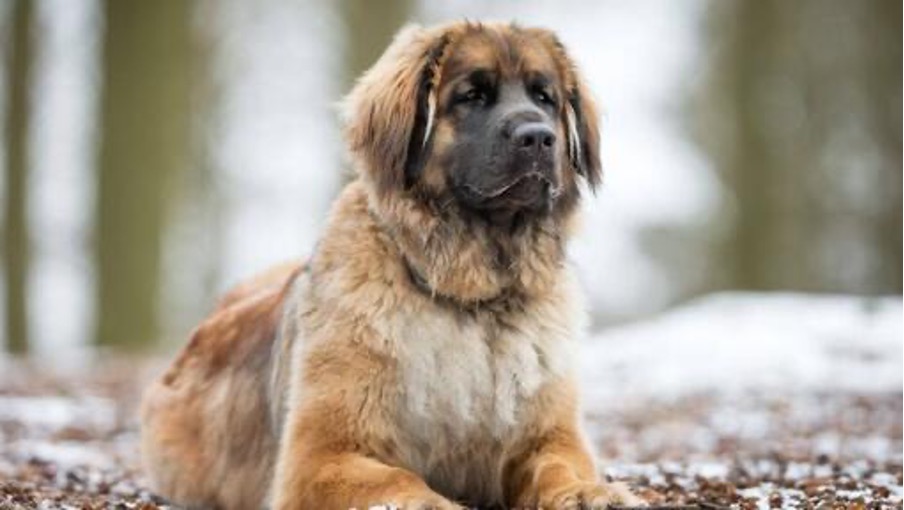
And they are as versatile in entertaining people. They perform commendably in obedience, agility, and drafting competitions. Their intelligence and willingness to work alongside humans make them credible competitors while their gentle nature ensures they are approachable and responsive.
Health and Care
Like all breeds, Leonbergers are susceptible to certain health issues. Due to their large size, they can be prone to hip and elbow dysplasia, heart conditions, and certain types of cancer. Responsible breeding practices and regular veterinary care are essential to ensure the health and longevity of these dogs.

A beloved Breed
The Leonberger is a breed that embodies both grandeur and gentleness. Its rich history, cultural significance, and impressive working capabilities make it a remarkable breed. Whether as a loyal family companion, a skilled working dog, or a star in popular culture, the Leonberger continues to captivate and inspire those who have the pleasure of knowing and working with this majestic breed. The combination of strength, intelligence, and affectionate nature ensures them an esteemed perch and abiding respect as one of the most loved dog breeds.
 scribo ad LX