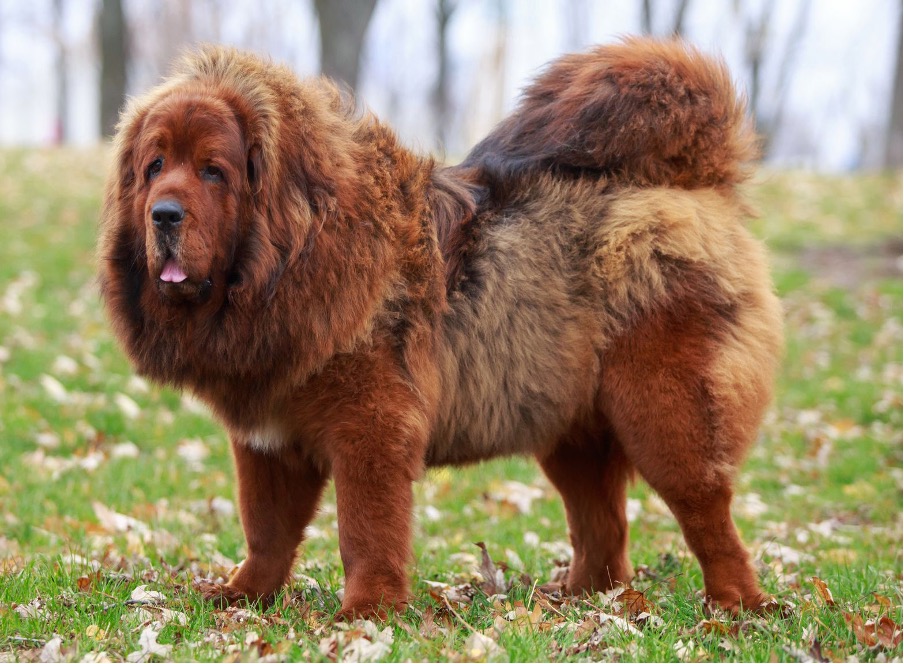
If there is a single breed that combines the dignified imperiousness of the African lion with the lumbering hulk of the polar bear and yet displays all the sterling virtues of a canine, it is the Tibetan Mastiff.
A Most Surprising of Presents
For centuries, they were known as Do-Kyi, a Tibetan term that translates to ‘tied dogs’, till in the 1800s, Tibet began to be explored by the western nations, first out of curiosity and later as a matter of geopolitical strategy and commercial exploitability. In 1847, the Viceroy of India sent a ‘large dog from Tibet’ with the name siring to Queen Victoria, marking possibly the breed’s introduction to the West. It immediately drew attention and found unusual recognition. Thus began the Do-Kyi’s victorious conquest of the European canine space, soon to be re-named the ‘Tibetan Mastiff’. The name ‘Mastiff’ is a later addendum, and with its geographic identity attached to its name, it signalled the appropriation of the regional identity of Do-Kyi – a splendid symbol of a region that stood for purity, spirituality, and an esoteric way of life.

Its introduction to the Americas was to take another century after its journey to Europe. In 1958, a pair was sent as a gift to President Eisenhower from the foreign ministry of Nepal. They must have caused quite a commotion in the White House, as these massive creatures were very far removed from the more modest Tibetan terriers, whom the Americans expected them to resemble. Rumour has it that casting away diplomatic niceties, they were shipped off to a farm in the Midwest and never heard from again. What a splendid arrival turned sad! Today, however, they maintain a formidable presence on American soil, remaining sought-after for their extraordinary look and size.

Ancient and Unspoilt
These formidable guardians have a rich history intertwined with the spiritual and cultural tapestry of the Himalayas. Its origins trace back thousands of years, when Tibetan highlands were even more remote and inaccessible than today. Early writings place a large dog matching its description as far back as 1100 B.C. in China. During the ensuing centuries, it is thought that the isolation of the Tibetan plateau preserved their purity and uniqueness by isolating them from mixing withother breeds.
The rare western travellers of the time could not miss their looks and devotion to protecting their family and property. Writers including the inimitable Marco Polo described them as large as a small donkey. It evolved into a highly prized legacy for the people of the high Himalayan mountains and plains of Central Asia. But its innocence and protective spirit was somewhat lost as it was introduced to foreign dignitaries and western royalty as a novelty, reducing it to a gift, albeit rare and valuable, and a colonial symbol of wealth and power.
Role in Tibetan Society
For centuries the Do-Kyi was an integral part of Tibetan culture. They served as guardians of homes, temples, and livestock. Embodying a blend of physical prowess and spiritual symbolism, they were tied at the gates of their homes and monasteries they protected, earning them their name.
They were indispensable to the nomadic cultures of the region. They protected herds of sheep and yak from predators like wolves and leopards and guarded entire villages from human and animal intruders. In a harsh land with limited resources, their presence was comforting to their caregivers and intimidating to interlopers.
In his essay ‘The Role of the Dog in Tibetan Nomadic Society’, the missionary and explorer Robert Ekvall described the relationship between pastoral nomads and their constant companions thus:
“[The dogs] function to create privacy and social distance in a situation where both are a felt need. … There is no tent which does not have at least two [dogs], and chiefs or wealthy men may own twenty or more. The dogs of the Tibetan nomads have a role in creating and maintaining pervasive, shifting zones of danger around the tents and throughout the encampment. Their most distinctive characteristic is an incredibly heavy baying bark-much more like the sound of a foghorn than the outcry of any animal.”
Connection to Tibetan Monasteries
While their imposing size and fierce demeanour made them ideal guardians, it is not surprising they were also elevated as spiritual protectors, embodying the very strength and majesty of the Himalayas. They were given to the high lamas to guard the great monasteries of Tibet. In fact, many experts believe that Do-Kyi is a pristine example of the original stock from which most of modern large working breeds developed, including mastiff, molosser and mountain breeds.
Their role as sentinels of Buddhist monasteries is sanctified by centuries of history. But they were more than mere guards of the monasteries. Monks valued them for their vigilance and believed their presence warded off evil spirits and negative energies. The Do-Kyi thus provided both physical and spiritual protection. The breed’s deep connection to Tibetan spiritual and practical life is a testament to their revered status.

Physical Characteristics and Temperament
Do-Kyi are known for their impressive size, with males typically weighing between 90-150 pounds. The females are slightly smaller. Their thick double coat, available in colours like black, brown, gold, or blue-grey, evolved to provide insulation against the harsh Himalayan climate. The breed’s mane-like fur around the neck and shoulders gives them a leonine appearance, adding to their formidable presence.
Despite their fierce appearance, these gentle giants are known for their loyalty and protective instincts. They are independent, intelligent, and strong-willed, making them challenging to train but naturally devoted to their families. They are aloof with strangers but affectionate and gentle with those they know.
Care and Training
Owning one of these fascinating creatures requires dedication. Early socialization is crucial to prevent them from becoming a liability due to their natural protective instincts. Proper training, consistent rules, and understanding their independent nature are essential for a harmonious relationship.
Despite their size, they require only moderate exercise. However, caution is necessary during their growing phase to prevent issues in their joints. Regular grooming, especially during their seasonal shedding, is necessary to maintain their coat. They are also best reared in climates closest to their Himalayan homeland.
Do-Kyi Today
Today, the Do-Kyi is recognized and pampered universally. In 2006, the American Kennel Club, admitted them on their rolls (though curiously belatedly). Many other international dog breeding organizations offer them varying degrees of patronage. Their popularity has surged worldwide, and challenges such as overbreeding and the dilution of the breed’s unique characteristics have been observed. Enthusiasts and organizations are working tirelessly to preserve the traditional traits and genetic health of these magnificent dogs.
Waiting for Paradise
Of all the nine known breeds of Mastiffs, the Tibetan Mastiff is the most imperious, expressive, and perhaps, spiritually evolved. Tibetans believe they are vessels that carry the souls of monks and nuns who did not make it into the heavenly paradise Shambhala. The Do-Kyi is more than just a dog breed: it is a symbol of Tibet’s rich cultural heritage and spiritual traditions. These dogs continue to fascinate and inspire, representing a living link to the ancient cultures of the Himalayas. Their unparalleled loyalty, devotion, and protective nature make them a unique and cherished breed, embodying the timeless spirit of the Himalayan guardians.
 scribo ad LX