A Tapestry of Heritage and Change
In the embrace of ancient mountains, where mist-clad valleys cradle the imagination, the Bharia tribe resides, a living bridge between epochs. Welcome to the enigmatic realm of Patalkot, Madhya Pradesh, where the Bharia people have woven a fabric of history, culture, and evolution that captivates the soul.
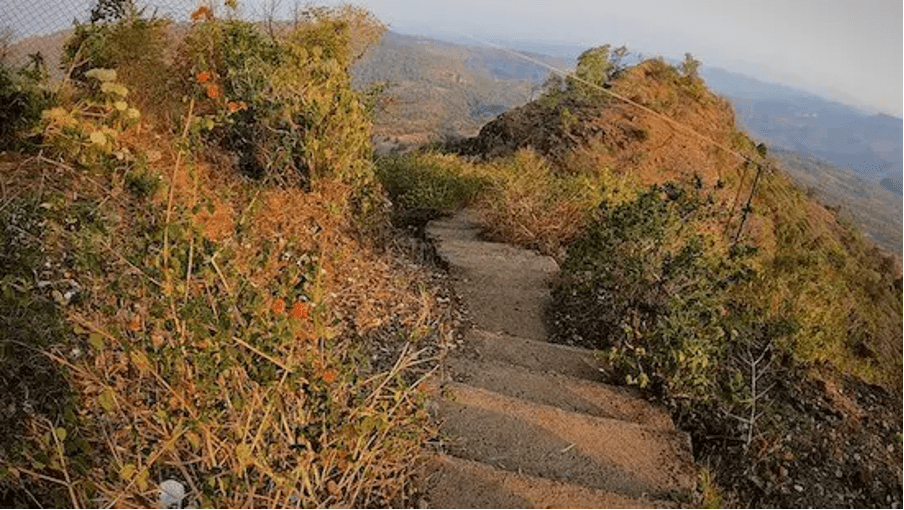
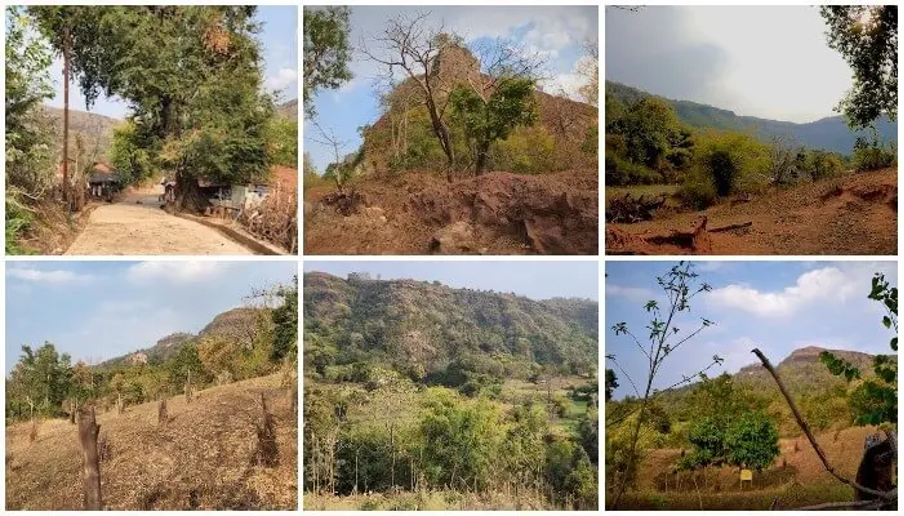
This hollowed sanctuary, Patalkot, adorned with its pristine, unconventional beauty, shelters a populace as extraordinary as its landscape. A mere 2,000 souls inhabit this expanse, spread across twenty-two hamlets masquerading as villages. For centuries, they chose to be anonymous, confining themselves to this sun-dappled valley where daylight fades before four in the afternoon. They held a deliberate isolation, a stance of indifference to the outside world, viewing it as a canvas of inferior, contrived culture. The cocoon they spun around their lives severed them from the world, nurturing an existence that lacked material abundance yet radiated blessed contentment.
Origins, Anthropological Significance, and Migration
Six centuries past, the Bharia tribe embarked on a pilgrimage, tracing a path from their Dravidian origins in pursuit of utopia. Destiny, a guiding hand, led them to the mystical Patalkot Valley, a cradle concealed by the guardianship of the towering Satpura mountains. Civilization’s touch eluded them, allowing them to nurture this virginal haven, laying the cornerstone for their distinct culture.
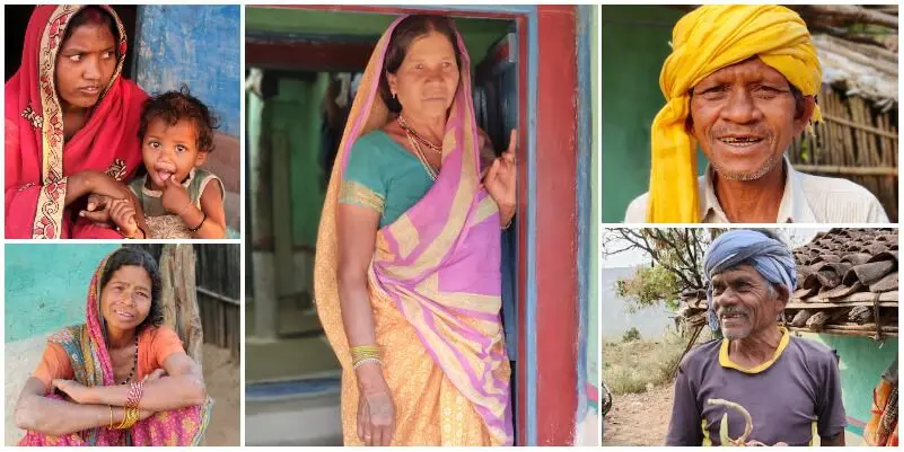
The Bharia tribe’s history, shrouded in an oral tapestry with scant written records, defies extensive documentation. Yet, they trace their lineage to the Madhya Pradesh, Chhattisgarh, and Maharashtra forests. Their settlements evolved over centuries, influenced by climate shifts, interactions with neighboring clans, and the region’s socio-political tide.
Migration, a symphony of push and pull factors, propelled the Bharias. Resource needs, altering land availability, clashes with other groups, but certainly not trade opportunities, guided their odyssey. These migrations, while sculpting their adaptation, painted their culture with evolving regional hues.
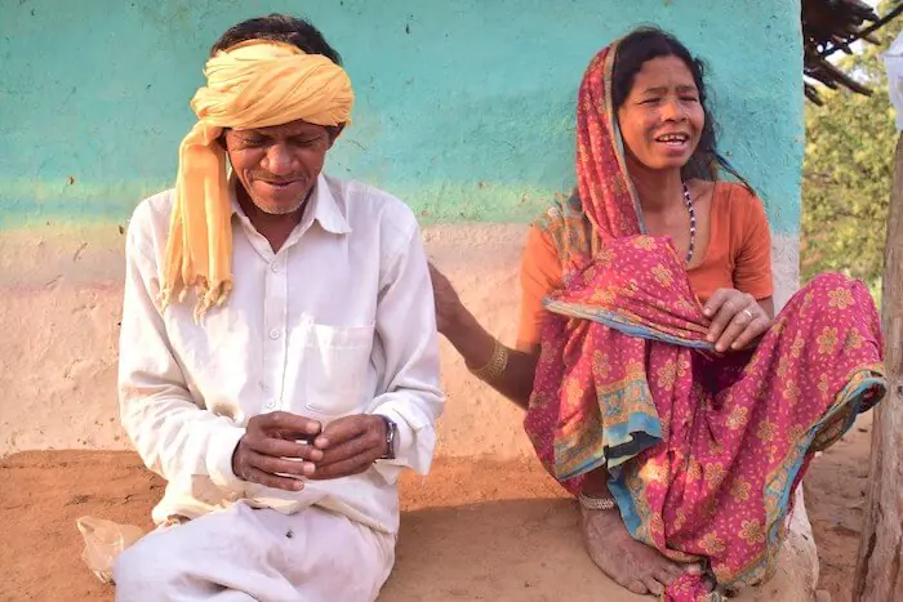
Anthropologically, the Bharias stand as indigenous beacons, a tapestry interwoven with unique culture and history. Their intimate understanding of forest ecosystems, traditional healing rituals, and sustainable livelihoods – an art forged in agriculture, hunting, and gathering – defines their essence. This symbiosis with nature enabled them to flourish in this untouched chalice of the earth.
Legends and Myths
In the roots of the Bharia tribe, myths bloom like enchanting flowers. One legend spins their genesis from the Bhasmasura tale – a demon whose touch consumed life to ash. Lord Shiva’s flight cleaved the earth, birthing Patalkot Valley, a sanctuary for the Bharias.
Another fable mingles with Mahabharata’s echoes. Arjuna, warrior prince, summoned warriors from Bharru grass. Those warriors birthed the tribe’s lineage, crafting their ancestry from epic loom.
Inroads of Modernity into Lifestyle and Traditions
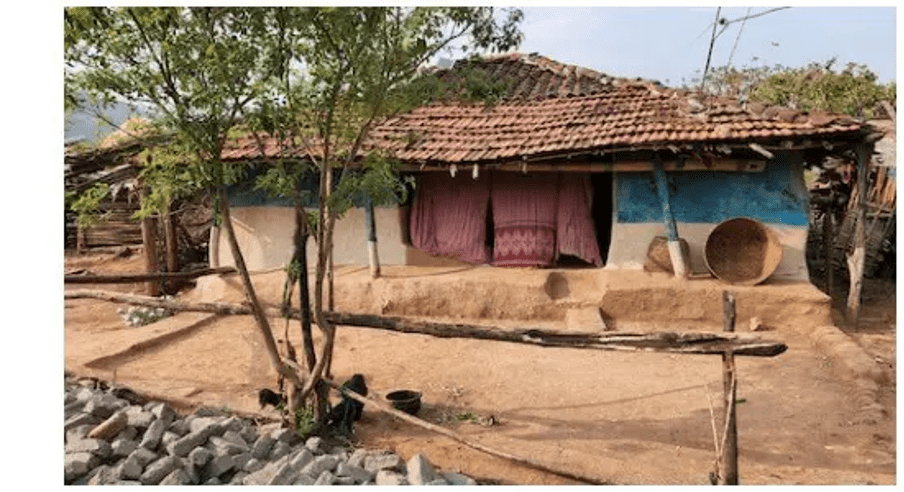
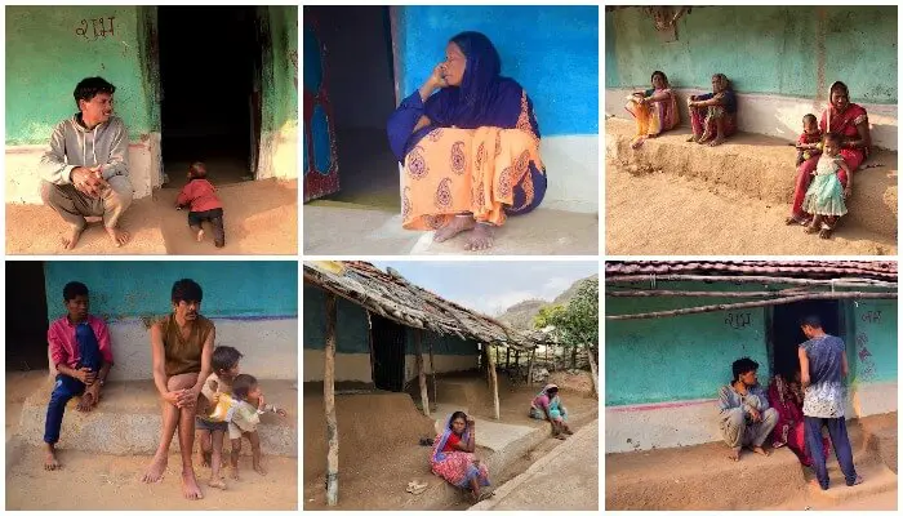
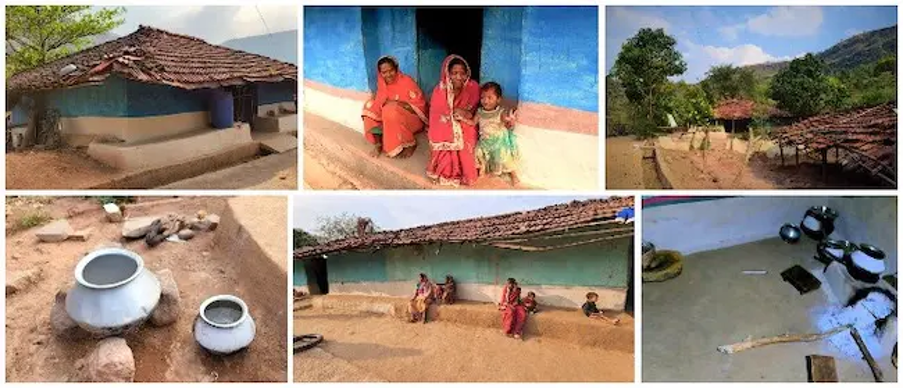
Does the past decades paint the Bharias’ lives with modernity’s brush, altering their soul’s texture? The government assumes a role in this transformative choreography. Kareaam Village stands as a testament to tradition harmonizing with change. Once perilous trails now yield to roads, the advance guard of change. Mainstream assimilation marries with water drawn from distant streams. Homes crafted from stone, wood, bamboo, and clay tiles witness the passage of time.
Land defines their lives. Farmers and laborers, their harvest includes forest treasures; expertise in medicinal herbs. Winds of change herald novel avenues – cattle husbandry, poultry, and realms yet uncharted.
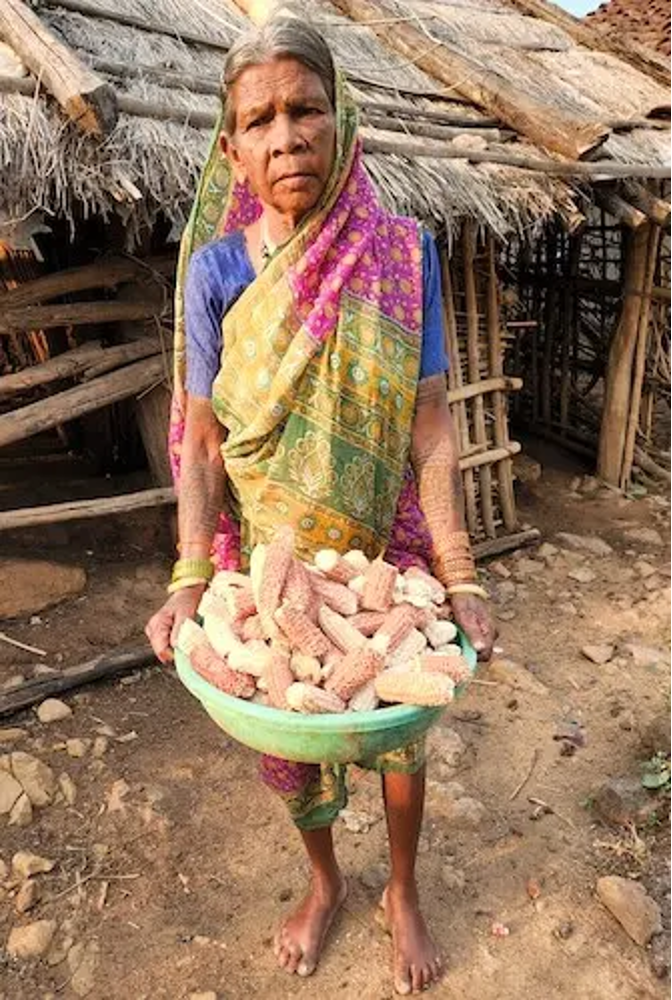
In these villages, homes mirror Bharia life. Modern gas burners stand beside traditional cooking hearths, a quiet yet profound transformation. A stone idol in backyards narrates a unique death ritual – for eleven days post-mortem, the stone deity safeguards their departed.
Medicine Men and Nature’s Guardians
While the Baiga tribe is synonymous with an extensive alternative medical system, rooted in wild plants, Bharias shine as nature’s healers, versed in Ayurvedic herbs. Though lesser recognized than their Baiga counterparts, their healing system thrives. Remedies for wounds and dislocated limbs, crafted from Amarbel and Hatha Jodi, spotlight their timeless wisdom. Roots, leaves, stems, and fruits intertwine to concoct elixirs, infusions, and pastes for oral or topical remedy.
Holistic in essence, Bharia medicine leans on local herbs, flora, and earth’s treasures. Their system encompasses diagnosis, healers, spirituality, ritual, oral wisdom, and cultural depth. Respected for their herbal mastery, healers inherit knowledge through generations. Their approach embraces holistic health – a melody resonating in the symphony of physical, mental, emotional, and spiritual well-being. Ritualistic undertones infuse their healing; ceremonies, chants, and spirits summoned for aid. Diagnosis fuses observation, inquiry, and divination, recognizing the patient’s context.
Yet, as modernization sweeps across like an inevitable tide, their ancestral practice confronts challenges. But guardians emerge, weaving efforts to document and preserve this legacy for posterity, harmonizing it with modern healthcare where they entwine.
A Culture of Festivities
Festivals mirror Bharia’s kinship with nature. Hindu celebrations thread into their existence – Diwali and Holi painting their tapestry. Yet, the Pola festival reigns unique. Monsoon summons worship for Gedi, stilts, and Mahua-flour sweets as offerings, a testament to their soul’s rhythm with
nature.
Rhythmic dances, melodious tunes – Bharias exhale music. Setaam, Sela, Bhadam, Dhandhara, Ahirai – the pulse of joy and sorrow resonates. Weddings choreograph the valley with drum symphonies, a testament to their vivacity.
Guardians of Tradition and Agents of Change
The Bharias chronicle heritage’s power, proving that while time metamorphoses, identity’s hues remain vivid. Amid Patalkot’s heart, they endure – custodians of tradition and catalysts of change. Their myths rustle through leaves, melodies echo in valleys, rituals anchor them in the ever-mutating universe. But can this essence persevere?
Today’s reality projects their lives as a living canvas, illustrating how modernity’s brushstroke alters, transmutes, or erases innocent cultures and traditions. The verdict awaits, a tapestry unfurling in times yet to come, exposing whether change’s imposition indeed bestowed betterment and happiness or birthed an alternate tale.
 scribo ad LX