The Flavourful Feast at Ilili
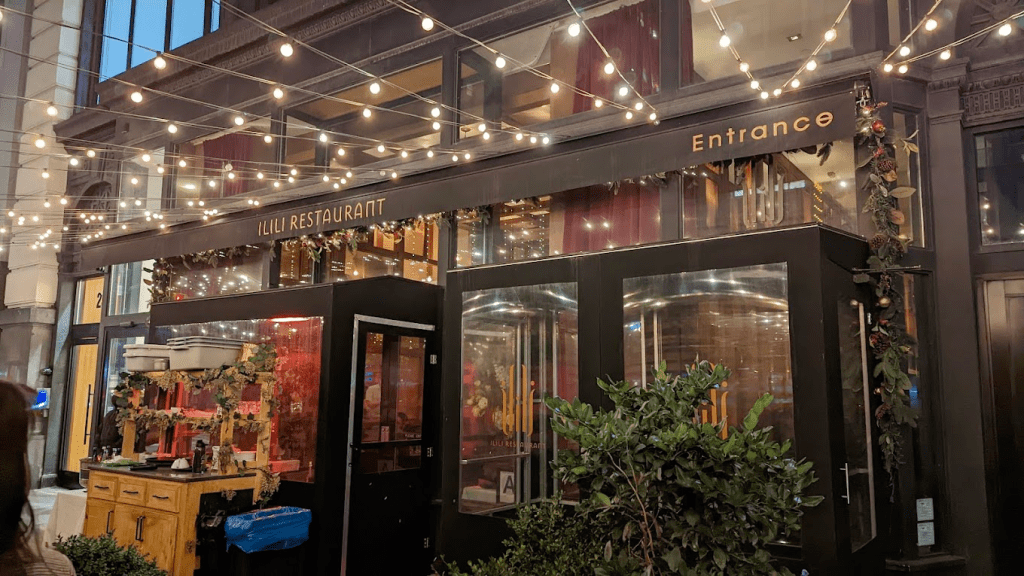
The Place
Known for its authentic Lebanese cuisine; and warm, inviting ambience, Ilili is located on the 5th Avenue, the heart of of Manhattan, New York. It is famous for its innovative take on classic Lebanese dishes, offering a unique twist on familiar flavors that synthesizes the essence of Lebanese cuisine for an international palate.
The restaurant’s menu features a wide variety of dishes, including traditional Lebanese mezze platters, grilled meats, fresh seafood, and limited vegetarian fare. Ilili claims, it is committed to using only the freshest and highest quality ingredients. It sources its ingredients from local farmers and purveyors, and all dishes are made from ingredients so sourced.
In addition to its delicious food, Ilili is also known for its beautiful and spacious dining room. The restaurant features a contemporary design, with sleek lines and modern furnishings, and is accented by traditional Lebanese touches such as intricate tile work and colorful lanterns. The open kitchen allows diners to watch as their food is prepared, adding to the overall dining experience.
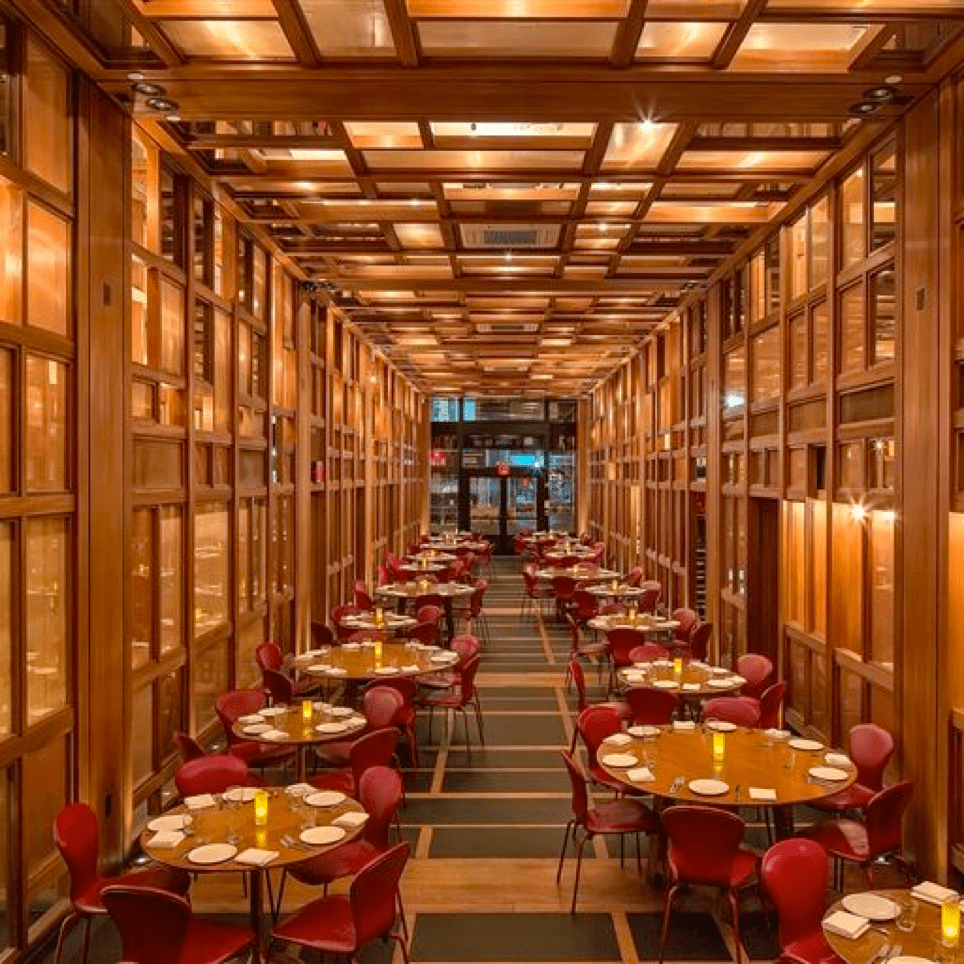
So, an invitation to have brunch on a freezing winter Sunday at this highly regarded restaurant while providing an opportunity to sample a cuisine, about which my own experience was at best near nothing, was indeed tempting. The prospects for a vegetarian palate were, though, fraught with apprehension. However, considered among the top dining spots of Manhattan, appeared to offer enough guarantee for a fine dining experience.
The Man
Ilili was founded by Philippe Massoud in 2003. Massoud, who was born in Lebanon, grew up surrounded by the vibrant flavors and rich cultural traditions of Lebanese cuisine. With Ilili, he aimed to bring a taste of his heritage to New York City and share his love for Lebanese food with others.
Massoud wanted to create a warm and inviting atmosphere that would transport diners to the heart of Lebanon and give them a taste of the country’s rich culinary heritage.
This is what he proudly offers at Ilili, “Lebanese food revolves around balance and diversity.And defines itself being a melting pot of experiences. Here at Ilili we hope the love and passion that we have for the food and spirit of Lebanon resonates in the hospitality, flavours, textures and essence of all the dishes you enjoy with us.”
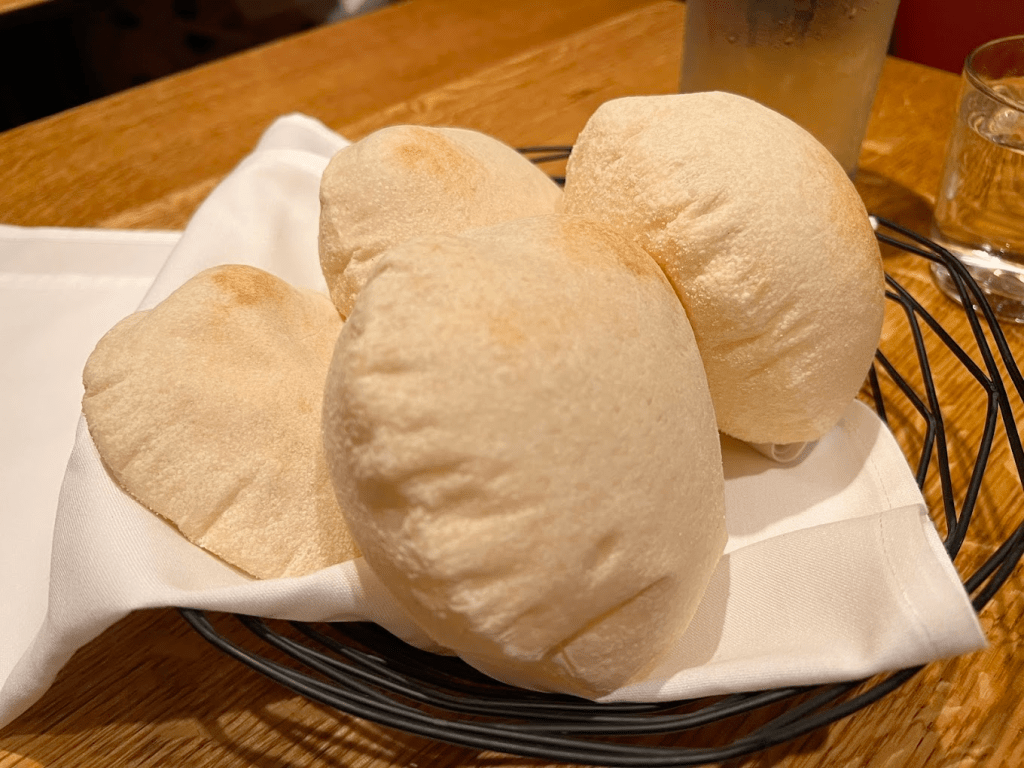
The Pita Bread
The Experience
Given the ubiquitous practice of placing on offer a number of dishes, possibly to impress the diner or perhaps to confuse him, the menu for the brunch presented too wide a choice, and therefore, we desperately sought in-house advice. Our case was atypical because we wanted to have only vegetarian fare, a somewhat unusual case. And while the warm and willing counsel was reassuring, we went through the menu with far more diligence than usual, particularly studying the vegetarian dishes on offer, carefully investigating whether any thing more non-vegetarian than eggs, was not hidden in the description of the contents of the dishes.
What followed after a serious scrutiny, was a salad, an assortment of dishes as Mezza, a Main Plate, some Sides and Dessert.

Tabbouleh
Tabbouleh, that comprises of finely chopped parsley, tomato and onion mixed with burghul in a lemon vinaigrette dressing turned out to be an excellent salad. The Mezza came with three pleasant looking and mildly aromatic dishes, namely Warak Nab Bin Zest that is hand rolled wild grape leaves stuffed with traditional rice, tomato and parsley; Rkaykat bil Jibneh that is ilili cheese blend rolled in crispy pastry dough and fried; and Arnabeet Mekle, which was golden cauliflower atop tahini labne and red chillies.
The notable side was Mouhamara, supposedly the national dish of Egypt, a dish in which toasted walnuts are mixed with roasted peppers and pomegranate molasses. The other Side was more a compromise, crispy Brussels sprouts flash fried and tossed with grapes, walnuts, fig jam and mint yoghurt.
It is somewhat difficult to describe the taste of these dishes, as they can not be appreciated vicariously but they were deliciously pleasing to the palate and the aromas were a little exotic but eminently gratifying.
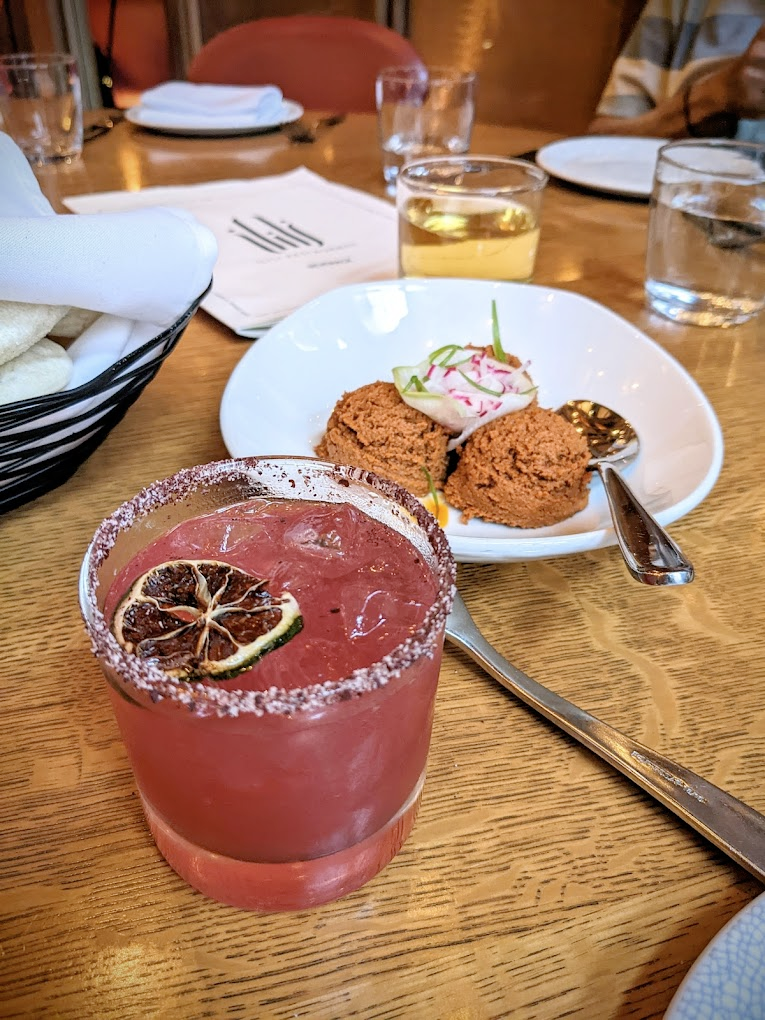
Mouhamara
The only vegetarian Main Plate on the menu was the Avocado Toast -crushed avocado, pomegranate, poached eggs, almonds served on toasted sour dough. Mercifully the abundance of crushed dry fruits masked the flavor of egg completely. We wished, we had some more options.
But what was missing in the Main Plate was more than compensated by the
desserts. We chose Mixed Baklava, that has liberally uses pistachios and cashew, and comparable in sweetness with the conventional Indian Mithais. They were indeed very delicious. But we decided to round off the repast with Flan, a distinct French tradition imbibed so harmoniously in Lebanese cuisine and the choice could not have been better.
The coffee that followed brought the fragrance and the memories of those tiny beautiful cups with the dark aromatic brew that we used to endlessly consume during our stay in Istanbul a few years ago- the magical Turkish coffee.
A Cultural Microcosm
One meal is not enough to fully appreciate the sensory pleasures that has evolved over centuries in a place that continues to be a melting pot for many civilizations and cultures but it was in every respect a delightful gastronomic discovery- bold, vibrant, and truly authentic – to be savored for long.
The Lebanese cuisine is indeed the essence and spirit of the their heritage and legacy, so eloquently expressed in this famous poem by Gibran Khalil Gibran, the celebrated Lebanese-American writer, poet and visual artist.
“ Let me tell you who are the children of my Lebanon
They are farmers who turn the fallow field into
Gardens and groves.
They are the shepherds who leads their flocks through
The valleys to be fattened for your table meat and
Your woolens.
They are the vine-pressers who press the grape to
Wine and boil it to syrup
They are the parents who tend the nurseries, the
Mothers who spin the silken yarn.
They are the husbands who harvest the wheat and
the wives who gather the sheaves.”
 scribo ad LX