A Journey into the World of Japanese Cuisine
Part III
The intricate tapestry of Japanese culture is woven with threads of tradition, and nowhere is this more evident than in their cuisine. The Japanese take great pride in their culinary heritage, viewing mealtime as a sacred ritual to be approached with discipline and reverence. Eating is not just a pleasure of the palate, but also a self-ordained expression of a cultural heritage.
The Tradition, The Protocol
The traditional Japanese meal begins with delicate, mild flavours that gradually build in intensity, a stark contrast to the American practice of starting with a hearty soup. Similarly, sour pickles, unlike in many other cuisines are reserved for the end of a Japanese meal, to provide a contrast to the milder flavour of rice.
Fish is invariably eaten fresh. Even those living far from the coast in Japan cannot escape their love for fresh fish, whether from the sea or freshwater. Raw fish, often thinly sliced (namasu), is a common sight on Japanese tables.
The posture and etiquette of eating are also of great importance, with traditional meals being enjoyed sitting on the ground, legs bent backwards from the knee, and dishes placed on low tables in front. However, as the younger generation becomes increasingly westernised, these rituals are facing challenges.
The Romance of Umami
You can’t have Japanese cuisine without umami – the fifth taste that combines sweet, sour, salty, and bitter. In 1908, chemist Kikunae Ikea discovered this taste which can be found in a wide variety of foods, from peas and pork to cheese and carrots.
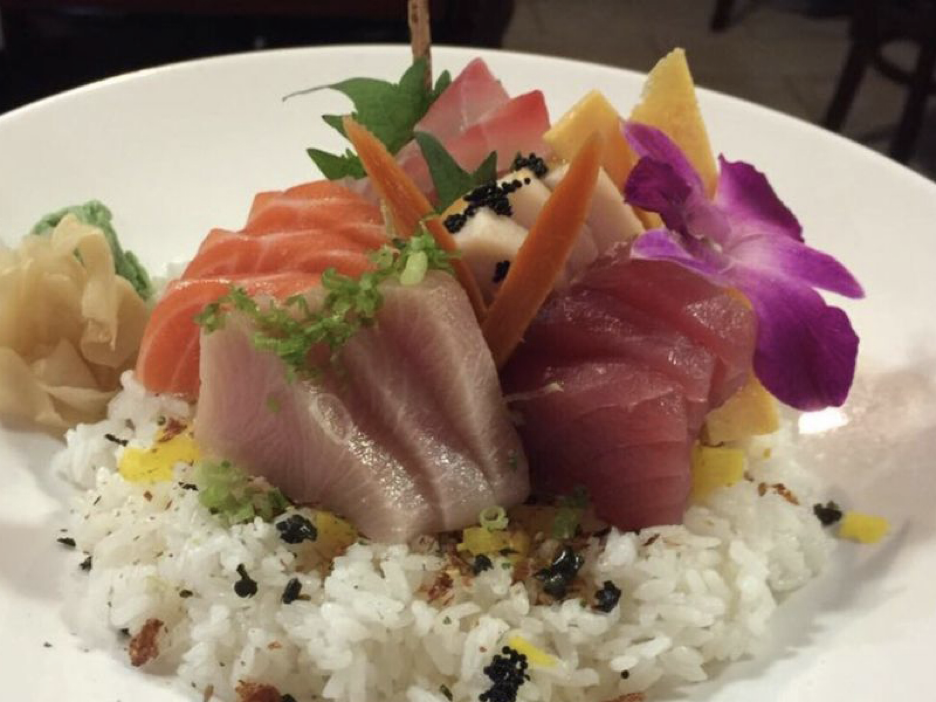
The Japanese recognise five basic flavours: There’s not just salty, sour, sweet, and bitter, but there’s another one called umami that might be translated as “meaty”, “savoury”, or “mushroom flavour.” Glutamates are what causes it; but you find it in a whole range of Japanese foods, especially soy sauce.
Umami, the elusive fifth taste that combines sweet, sour, salty, and bitter, is an essential component of Japanese cuisine and often a unique and uncommon identity of its flavours.
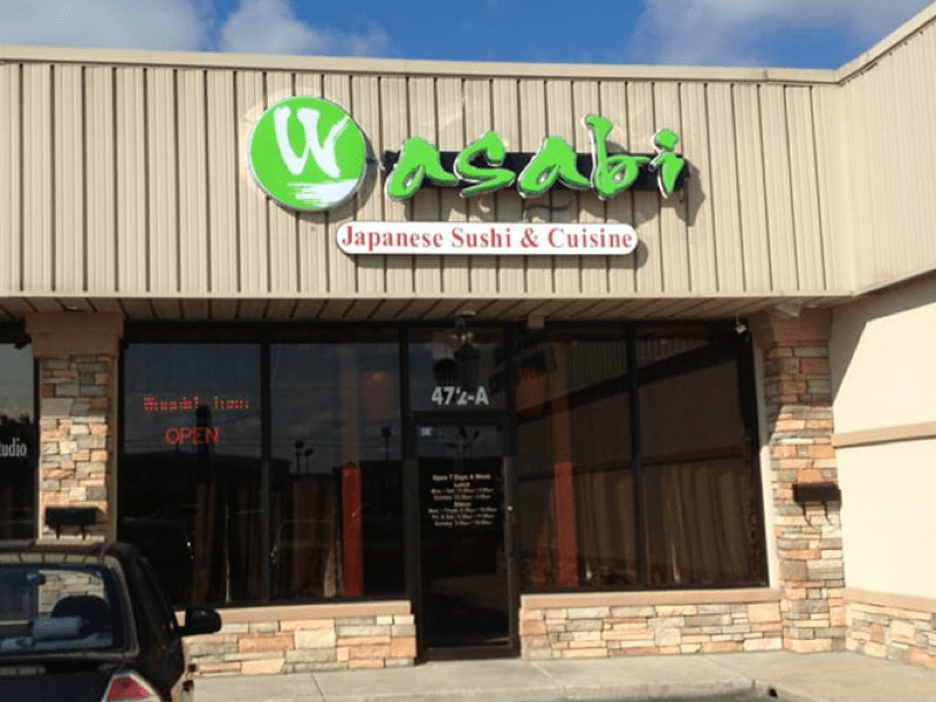
But I must come back to the dining experience that led to my quest for Japanese food. ‘Wasabi’ does not qualify to be regarded as a traditional Japanese restaurant though it does serve many traditional dishes. In fact, it represents more a fusion that may cater to the corrupted palate of Americans, who tend to seek steaks and rolls and burgers wherever they go. The restaurant is therefore named ‘Wasabi-Japanese Steakhouse’. And yet, it retains in good measure a character that does lead one to savour some genuine and authentic Japanese food.
But it was indeed the experience of witnessing the magic of creation on a makeshift kitchen platform that made the visit to this place memorable.
The culinary magical show
Display cooking is not a common attraction at most restaurants but Wasabi’s special attraction is dining around a cooking platform. Around 10 guests are seated around a platform that consists of a sparkling shining metallic surface. This platform is the place where the cook performs his culinary tricks, and prepares sizzling hot dishes to the guests around him.
Everything about the performing protagonist is remarkably loveable, from his appearance to his manners, his uniform to his cape, his smile to his frowns, so much so that your eyes remain riveted to the movements of his hands and his face, and to the assortment of instruments hanging by his side hooked to his belt. There is a cart that accompanies him as he appears before you from nowhere, which is placed by his side, plied with the raw materials, the fish and the meats, the vegetables and greens, the sauces and the oil, and the condiments and seasoning.
As the drinks are served as ordered by the guests, the artist makes his entry, every bit as dramatic. He announces his arrival by creating an unusual sight. He sprinkles some liquid on the platform and strikes a light and the platform is lit up by a live fire, its leaping flames seemingly caressing you for a moment. That is the first of his dramatic manoeuvres, followed by many more that sustains for next one hour while the guests are regaled to captivating spectacles. In a pre designed order, a sequence of dishes follow, hot, sizzling, appetising served straight from the platform where they have been prepared right in front of your eyes. There is chicken, shrimp, fish and eggs and lot and lots of vegetables and endless varieties of sauce and seasonings. The melange of sight, sound and smell is mesmerising.
The range of offerings is clearly limited as only those dishes are chosen whose preparation could be dramatically demonstrated. But that limitation is more than compensated by the holistic experience of savoring the sights, sounds and smell that emanate from the magical platform just inches away from you.
The show is so well orchestrated that the one hour lunch turns into a memorable experience to be remembered and relished long after the taste of food has been overwhelmed by subsequent ventures. The taste lingers but the sights last in the memory.
The leaping and dancing flames momentarily caressing the dining guests, the comforting warmth and the pervasive and pleasant aromas around the
cooking platform remain experiences that one still treasures.
But the Colour was Missing
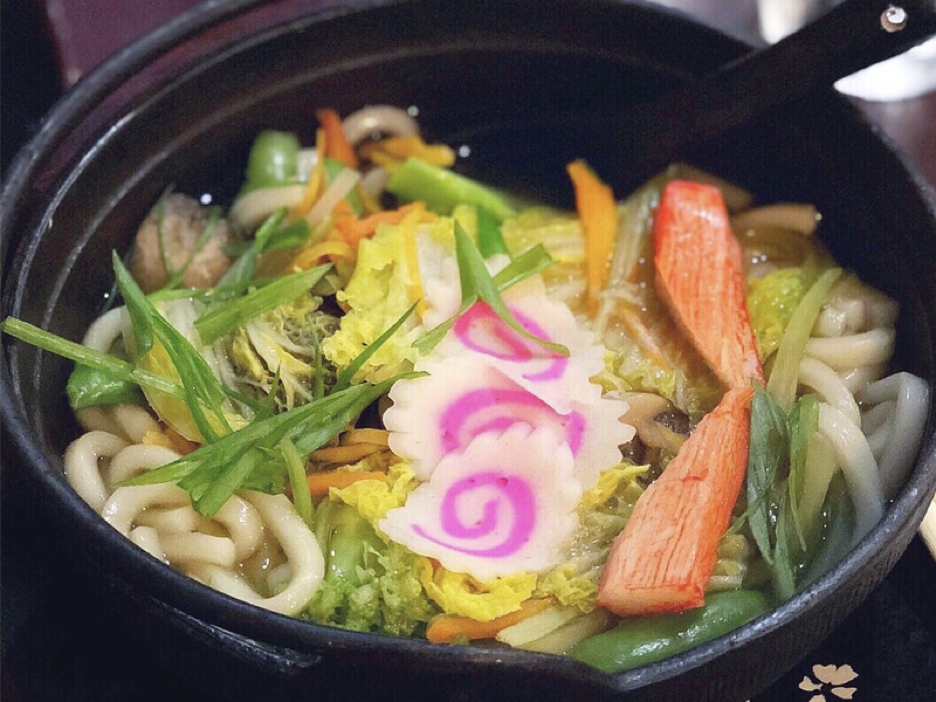
The experience while exciting and delightful though has one limitation. It deprives one of the colourful and aesthetic spectacle of the arrangement of food that remains the hall mark of Japanese cuisine.
An outstanding feature of Japanese cuisine is the aesthetics and the colourful brilliance of its dishes. If the food were to be adjudged only in terms of presentation, Japanese cuisine will perhaps win hands down. Dainty and delicate, vibrant and inviting, colourful and cultured, the design and display of dishes offer a feast that overwhelms your ocular sensations even before its refreshing aromas assail your nostrils and its taste tingles your palate.
 scribo ad LX