The Water Dog
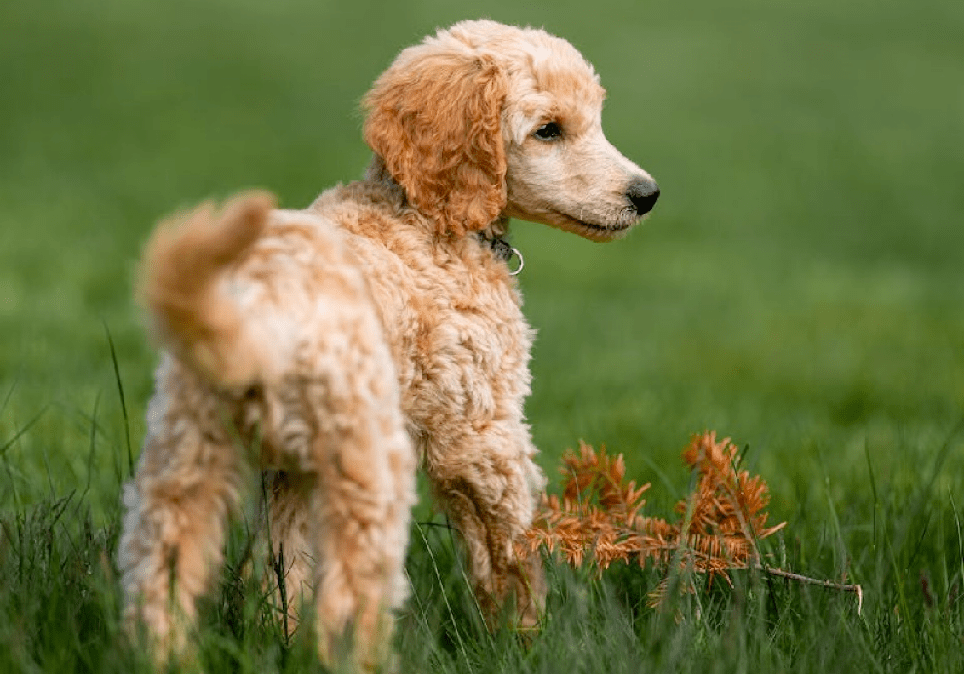
There are National Animals, and National Birds. But a National Dog? Yes, there is a dog breed that enjoys the distinction and the privilege of being widely regarded as the National Dog of a country that fancies herself as the very synonym of refinement and cultural supremacy. Poodles are widely perceived as the National Dog of France. Known chauvinists, they call it “The French Poodle”.
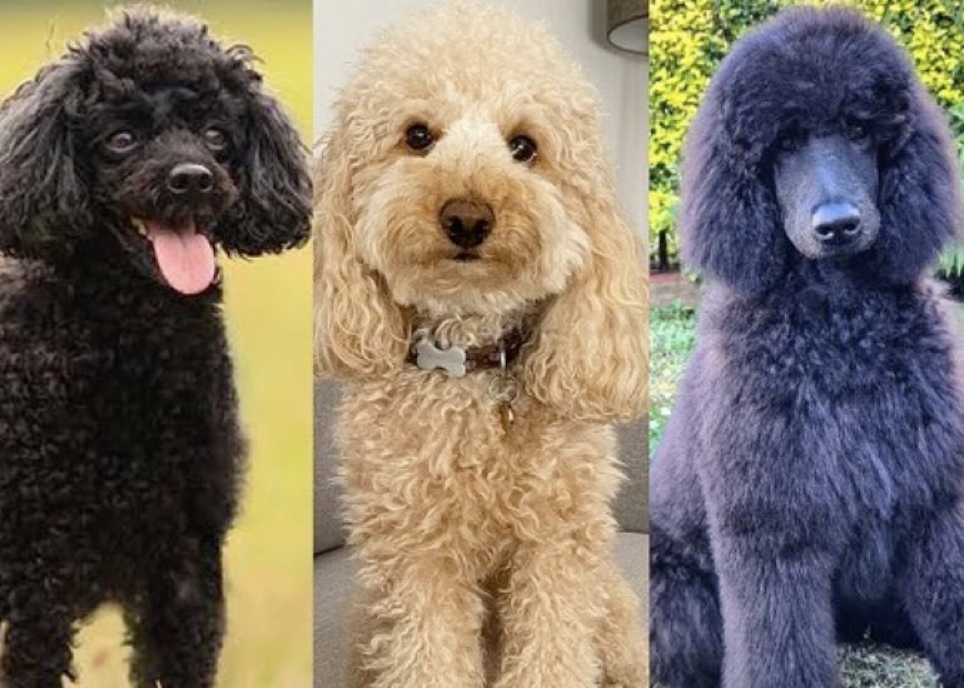
Poodle has many distinctions, but having a French origin is not one of them. It originated in Germany where it was called Pudel. It was adopted in France and was named ‘Caniche’. And while the toy Poodle is regarded as one of the most celebrated and adored, it comes in many editions, namely Standard Poodles, Medium Poodles, Miniature Poodles and Toy Poodles, although the Medium Poodle has been denied universal recognition.
Poodles possess much that people love. But even for those who hate dogs, Poodles are unmissable. Known mostly for their curly locks and bright personalities, Poodles have a rich history and much more to offer than just their looks or their undeniable brains.
Historically, Poodles are water dogs, which means they were built to flush and retrieve bird and other game for hunters. They were also groomed to be accomplished circus dogs on account of their intelligence, athleticism, and adaptability.
Appearance
Toy Poodles stand barely upto 10 inches tall while the standard Poodle commands a height upto 15 inches or over. The toy weighs between 4 and 6 pounds but the standard Poodle may weigh upto 70 pounds

And they come in a variety of colours, ranging from solid colors like cafe-au-lait, black, silver, apricot, and brown to a blend of colorings, including phantom and particolored Poodles (one of which is called a tuxedo). The Poodle aficionados often make a joke about wearing a tuxedo to a party. An interesting aside relates to Golden-doodle often mistaken for a special colour of Poodles but which in effect is a cross breed between Poodle and Golden Retriever.
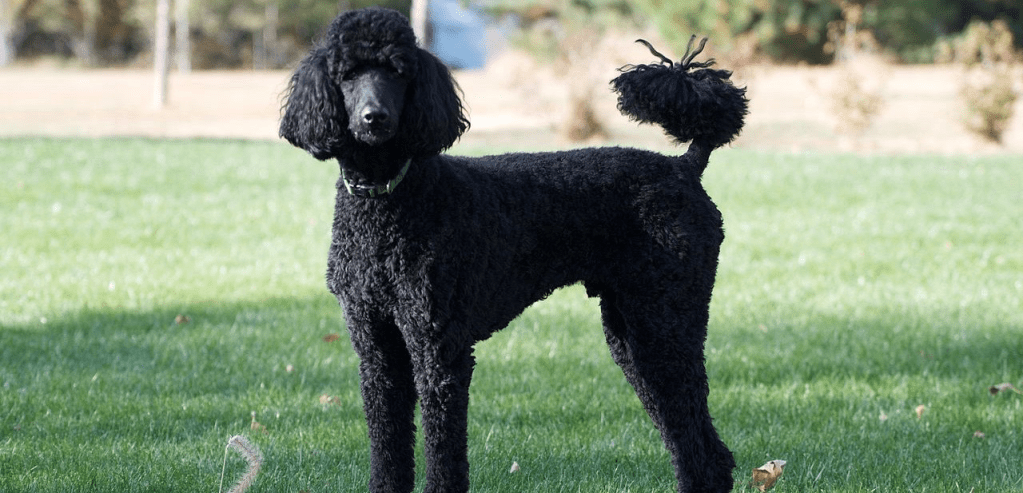
All Poodles are best known for that unmistakably unique, dense and curly coat. But they far more than mere show. Their coat is water-resistant and acts kind of like a sweater to keep them warm, even in cold water. They don’t have a double coat; instead, they have one single layer that barely sheds but shed it does. These dogs also have webbed toes, which act like flippers underwater.
The life span of Poodle ranges between 10 and 18 years.
Poodle History
The term Poodle comes from the German word ‘pudel’, meaning “to splash about.” These dogs were originally bred in Germany, and can be seen in art from as early as the 15th and 16th century. They have been used as water retrievers since the 17th century, helping hunters retrieve ducks and other waterfowl, and occasionally as retrievers in upland bird hunting. In addition to their roles as duck dogs, they have also worked as circus performers and truffle hunters.
But French dispute this ancestry claiming that they have originated from the French barbet, possibly bred with a Hungarian water dog. But the fact remains that it has historically been a popular breed in France, prized as both water retrievers and truffle dogs. However, the colloquial term “French Poodle” is mainly used to refer to a breed with a continental clip.
Since the fifteenth and sixteenth centuries, poodles were dogs only possessed by rich and famous people whereas, in the eighteenth and nineteenth centuries, toy poodle puppies became a status symbol among the wealthy and merchant class.
British kennel poodle club register its very first poodle puppy in 1874 whereas the American kennel club registered its very first poodle pup in 1886.
Until 1950, toy poodles were extremely rare dog breeds in the US but after world war II, a fair increase in their number and demand was seen, making them the most popular breeds for more than two decades.
Poodle Health, Grooming, Caring
Poodles, due to being featherlight and having small stature don’t usually develop serious arthritic problems but are still prone to some diseases including Gastric Dilation Volvulus, Progressive Retinal Atrophy, Distichiasis, Hip Dysplasia and Skin diseases. Much of it may be genetic but improper care aggravates them.
Poodles require ample daily exercise and mental stimulation to keep them happy and healthy. They also need consistent training despite being easy to train, and are typically adept at picking up new skills. And like most other dogs respond better to positive strokes.
Their curly coat is, however, a grooming challenge. The coarse, curly, low-shedding, single-layer coat of a poodle grows continuously, because they are not fur but hair. Most owners prefer to keep the coat short for easier maintenance. In the times when their main activity was retrieval, hunters used to give its trademark haircut shaving parts for better range of motion but keeping the hair long around the chest and joints for protection and insulation.
A typical Poodle is bright, energetic, and friendly. Although they can be standoffish with strangers at first, they’re quick to warm. Because they’re not particularly territorial, they make bad watchdogs and questionable guard dogs. However, when there’s a clear danger, they’ll protect their owners and families, raising hell by continuously barking. For the most part, though, they’re quiet, calm, and alert, and act as a playful and perceptive companion to their owners and families.
Poodle and Truffles
Poodles have come to acquire an enduring importance for finding Truffles, a mushroom, used in the most exclusive and expensive delicacies. A truffle (not to be confused with the chocolate treat) is a type of ectomycorrhizal fungi, meaning it grows in a symbiotic relationship with the roots of trees. Unlike more common mushroom varieties, truffles grow entirely underground. Pound for pound, truffle is one of the most expensive foods one can buy. Truffles are seasonal, extremely difficult to grow and take many years to cultivate. They also have a short shelf life.
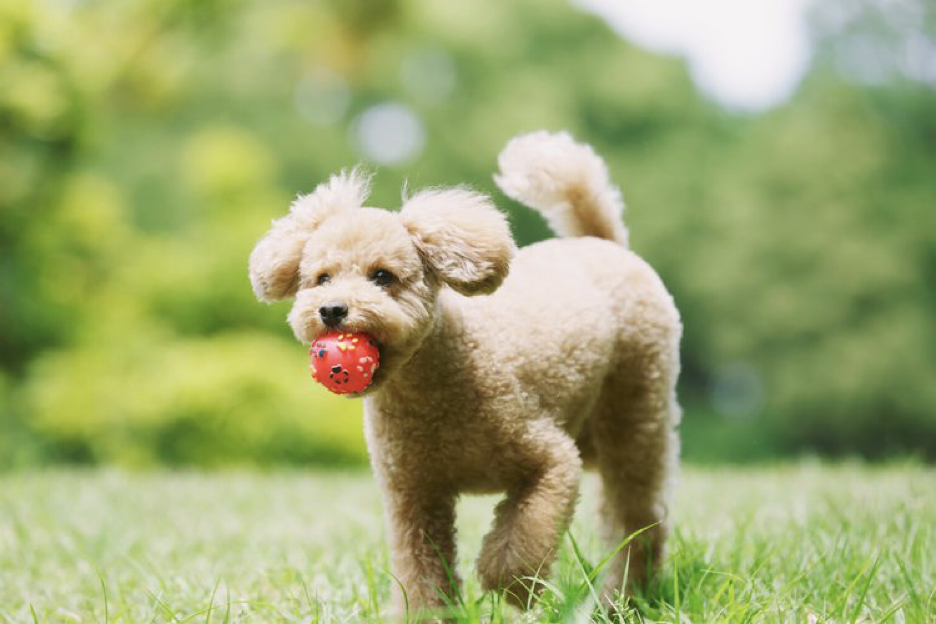
Poodles are increasingly being used to discover Truffles and pet owners, especially the French, use these working dogs to search out for mushrooms and truffles in the woods which make up a super essential ingredient in most french cuisine.
A Smart Dog Breed
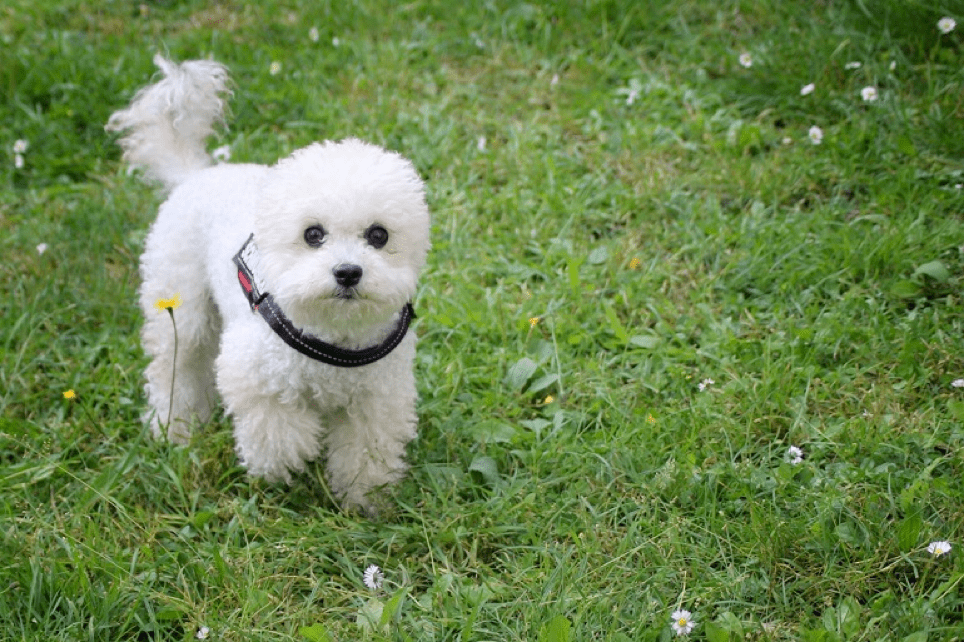
It may be debatable whether Poodles are the smartest dog breeds but for sure, they rank at the top in popularity leaving behind such worthy contenders like Golden Retrievers and German Shepherds. These cute, energetic, and tiny fur balls are adorable enough to make everyone fall in love with them.
But in smartness too they are pretty close to the top. Like other smart dogs, they will learn commands quickly and want to move onto more advanced tricks.
At first glance, one may easily associate these well-primed-up lap dogs with a life of luxuries and leisure, but that’s not true. The breed is originally a water retriever by nature and therefore, ranked as the best duck dog. And its unmatchable agility and intelligence, makes it a service dog par excellence serving the mankind by assisting medically disabled people, and as lifeguards & therapy dogs.
Favorite of Rich and Famous
Even after hundreds of years, the royalty and aristocracy associated with this dog breed remains intact.
The famous German painter Albrecht Durer was so fascinated by Poodles that they became a principal object of his genius. They feature in Art works and paintings and a lively presence in courts of aristocracy.
The best of the rich, glamorous and famous have been their fans. Elvis Presley, Elizabeth Taylor, Lucille Ball, Jackie Kennedy, Katherine Hepburn, Walt Disney, and Marilyn Monroe! The list could not have been more impressive.
Supremely cute, smart, vivacious, playful, active, loyal and protective, if one dog breed combines all these qualities, it is the toy Poodle.
 scribo ad LX